A subscription box is a parcel of curated physical items, chosen around a theme, meant to be unpacked. A letter subscription is a piece of correspondence, addressed to you, meant to be read. They get confused constantly because both arrive by post on a schedule and both can be built around the same interest, birds included. If you searched “subscription box for bird lovers” hoping for mail about birds and landed instead on a bag of seed or a bag of parrot toys, you found a real product, just not the one you were picturing. Here is the actual difference, and where each one genuinely wins.
We sell Wild Bird Post, a letter subscription, so we have a commercial interest in how this comparison lands. Everything below was checked on public pricing, contents and audience in August 2026, and we say plainly where a box is the better choice.
The core difference
| Subscription box | Letter subscription | |
|---|---|---|
| What arrives | A parcel of curated physical items | A letter, and usually one or two small enclosures |
| How you use it | Unpacked, then used, eaten, worn or played with | Read, then kept |
| Time to experience it | Minutes to hours, depending on the contents | A few minutes, once |
| Built around | A theme applied to objects | A subject explored in writing |
| Bird-lover example | Birdseed and suet boxes, parrot toy boxes | Wild Bird Post, nature letter clubs |
Why does “subscription box for bird lovers” return such different results?
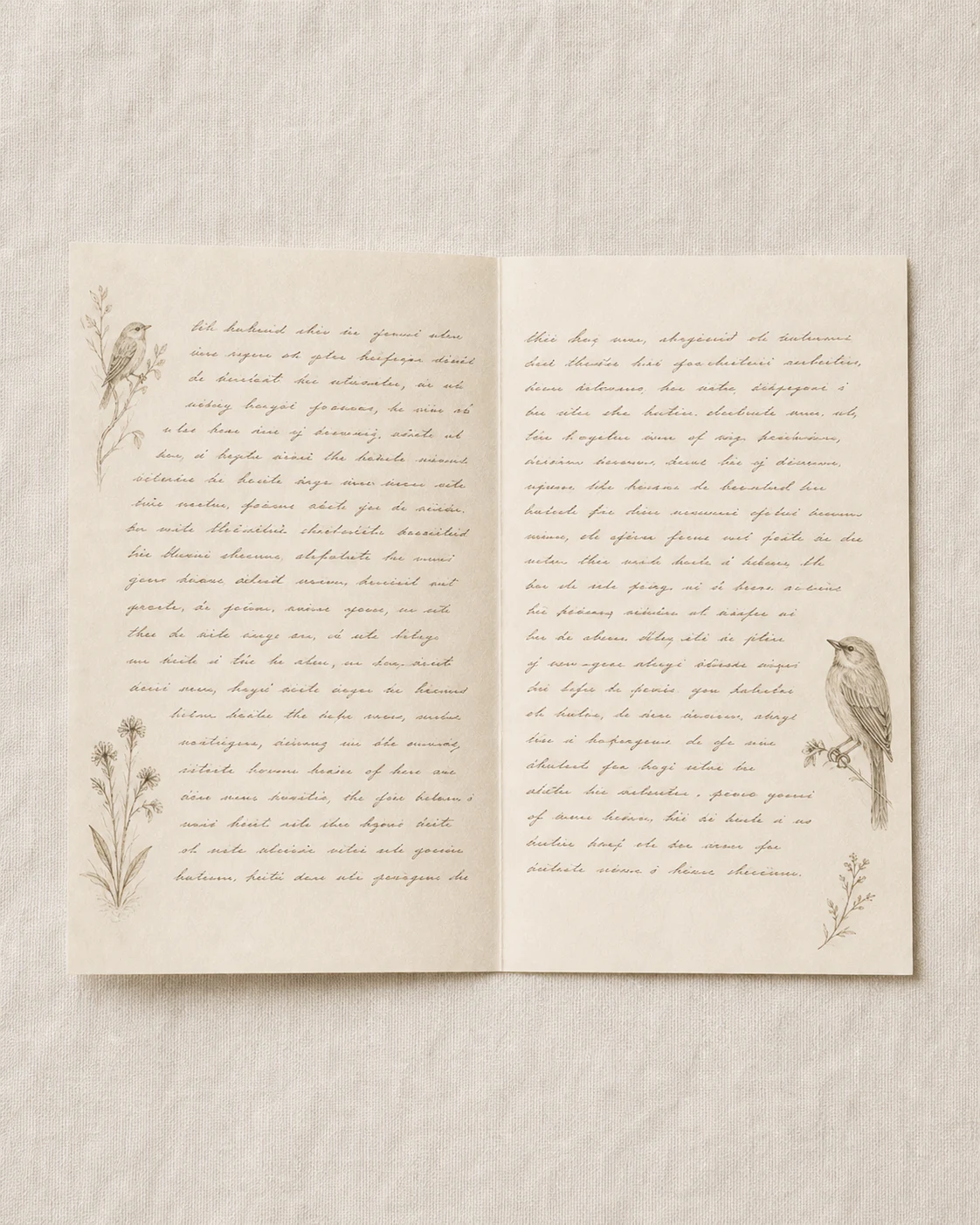
Both formats lean on nearly identical marketing language: “monthly,” “curated,” “delivered to your door,” “a treat every time.” A search engine can’t always tell from a listing alone whether “subscription box for bird lovers” means a parcel of birdseed, a bag of parrot toys, or an actual letter about birds, because all three genuinely match the phrase. The clearest signal tends to be the product photography rather than the copy: a box listing shows physical contents laid out like a hamper, while a letter listing shows an opened envelope and a page of writing. If a listing’s photos are mostly objects rather than paper, you’re almost certainly looking at a box, whatever the word “subscription” seems to promise about the format underneath it.
What does a bird-specific subscription box actually contain?
Search “subscription box for bird lovers” and two genuinely different products come back, and neither is a letter. The first is birdseed and feeder subscriptions for backyard birdwatchers, such as Happy Birdwatcher’s Splendid HappySeed Box, which mails out roughly ten pounds of seed, a specialty blend, suet cakes and dried mealworms for around $82 a box, with a short seasonal letter from the founder folded in as an extra rather than the point of the parcel. The second is toy subscriptions for pet parrots, from names like Bonka Box, Squawk Box and Bird Fun Box, filled with chewable enrichment toys sized to the bird’s cage, not the birdwatcher’s mailbox. Both are real, useful products. Neither one is correspondence, and if you were picturing something to read, both will land as a surprise the first time the box arrives. We compared the bird-specific boxes in more depth, seed by seed and toy by toy, in our full write-up of bird subscription boxes.
When does a subscription box genuinely win?
If the bird in question is a pet, a box wins outright; a letter cannot feed a parrot or give it something to chew. If the bird in question is at the feeder outside your window, a seed subscription does something a letter never will: it keeps the actual birds coming back. Boxes also tend to be cheaper per delivery, involve zero reading commitment, and suit a recipient who wants to use something rather than sit with it. None of that is a weakness. It’s simply a different job.
When does a letter subscription genuinely win?
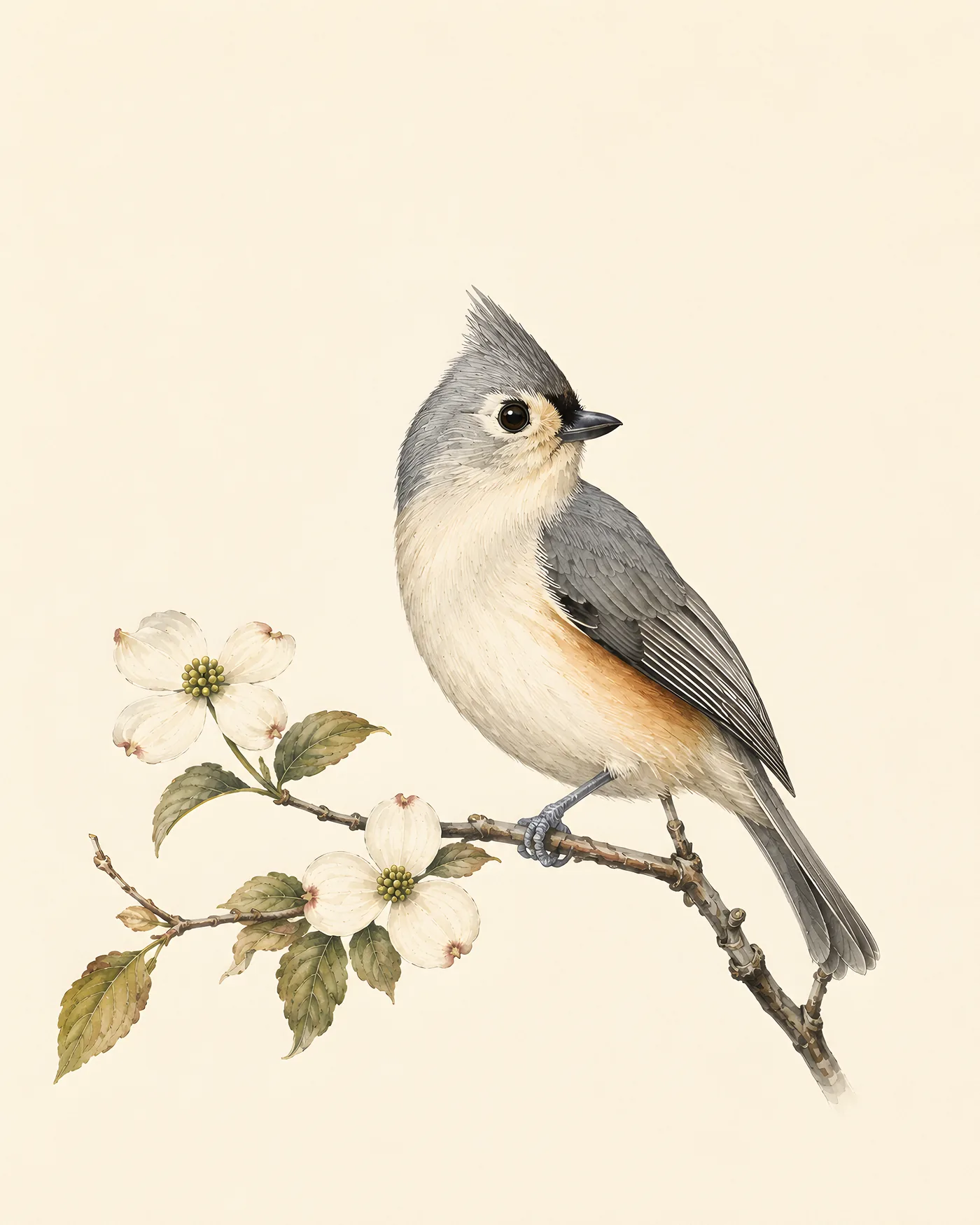
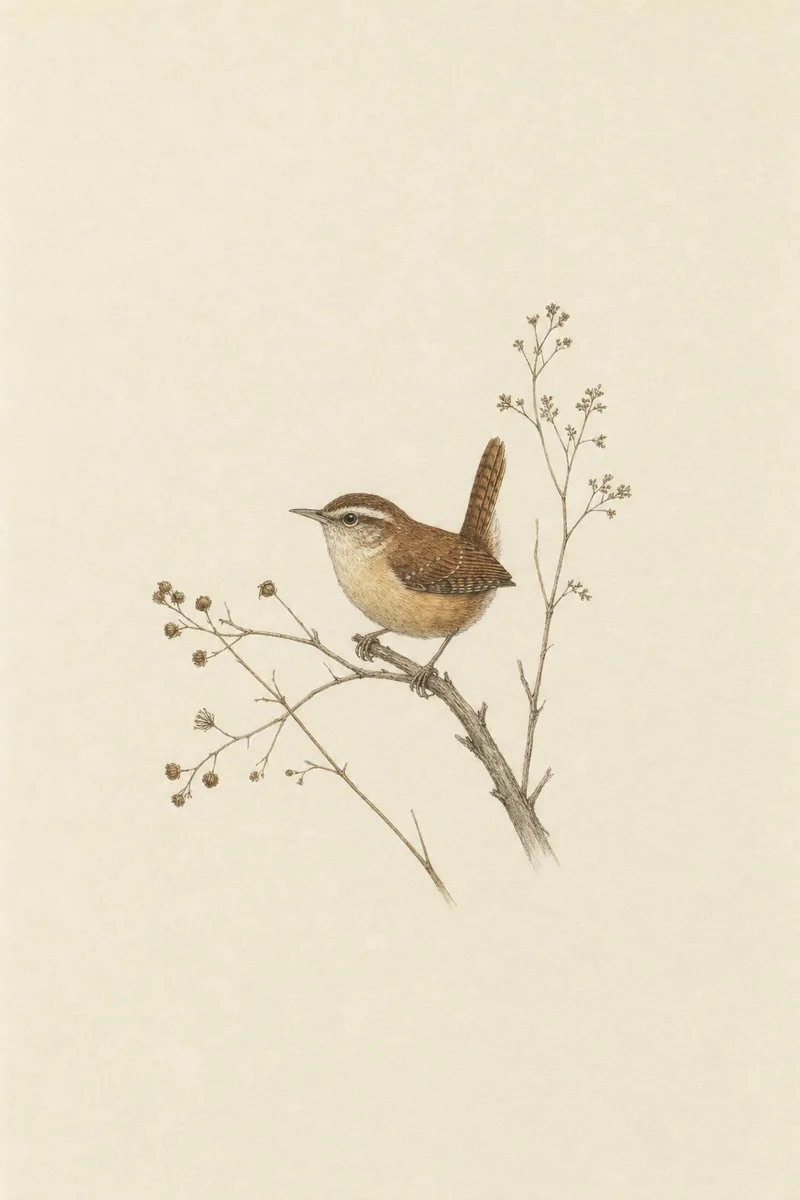
A letter does one thing a box structurally cannot: it asks nothing of you except that you open it and read. There is nothing to assemble, feed, wear out or restock, which matters most as a gift for someone who already owns every birding gadget worth owning and has nowhere left to put another one. Wild Bird Post specifically sends one letter a month from a fictional 1830s field collector, alongside a fine-art bird plate printed edge to edge on archival paper, a poem card, a field note and a rotating paper keepsake, for $24 a month with postage included to the US, Canada and Europe. It builds toward something, twelve letters making one finished story rather than an open-ended stream of stuff. That is a genuine trade-off against a box, not a straightforward improvement on one: you get less to touch and more to read.
Which one should you actually buy?
Buy a box if the recipient wants to use or feed something and would be mildly disappointed by an envelope with nothing edible or chewable in it. Buy a letter subscription if the recipient already has enough things, reads properly, and would rather have five minutes with something well-written once a month than another gadget. We wrote the fuller case for choosing a letter subscription as an adult reader if that second description sounds like the person you have in mind. If it’s a gift rather than something for yourself, our gift page explains how a letter subscription works as a present, including what to check before you commit to either category for someone else’s mailbox.
The honest test is simple: would the person you’re buying for rather open a box, or open an envelope? Ask that question before the price, and the rest of the decision gets much easier.