Featured article
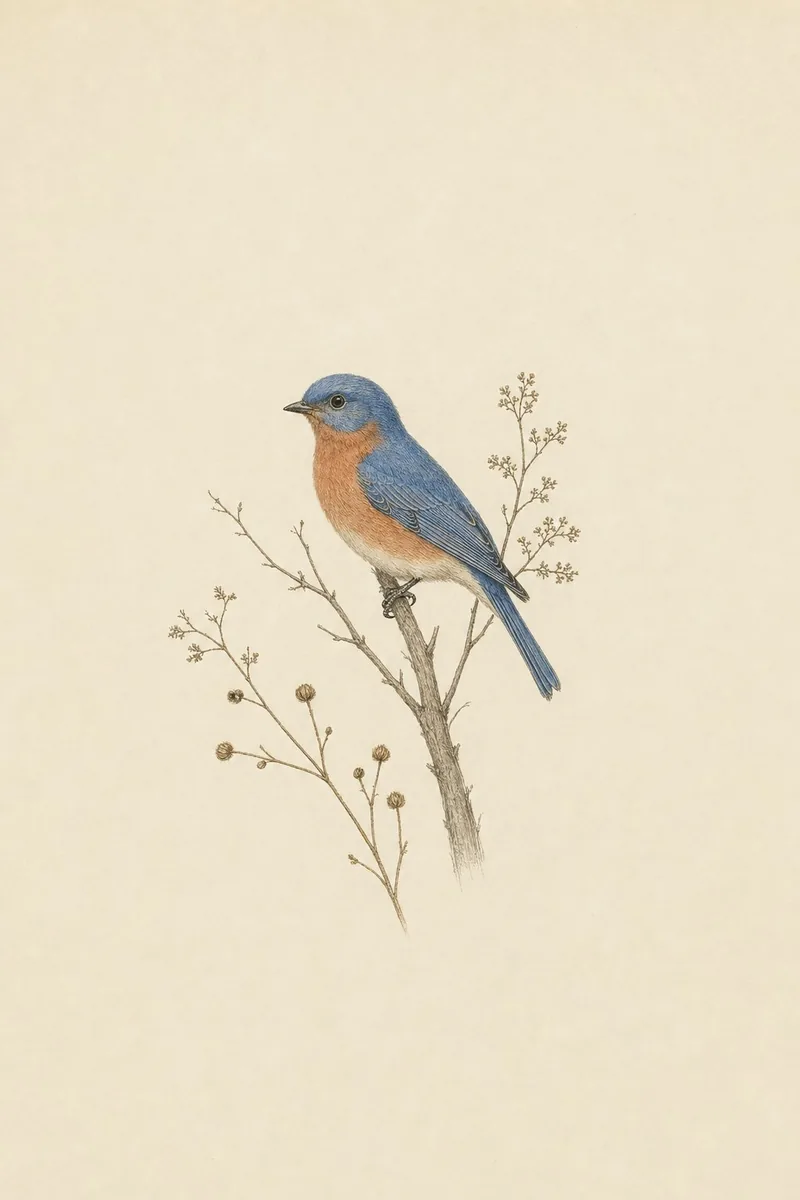
The history of bird illustration, from copper to colour
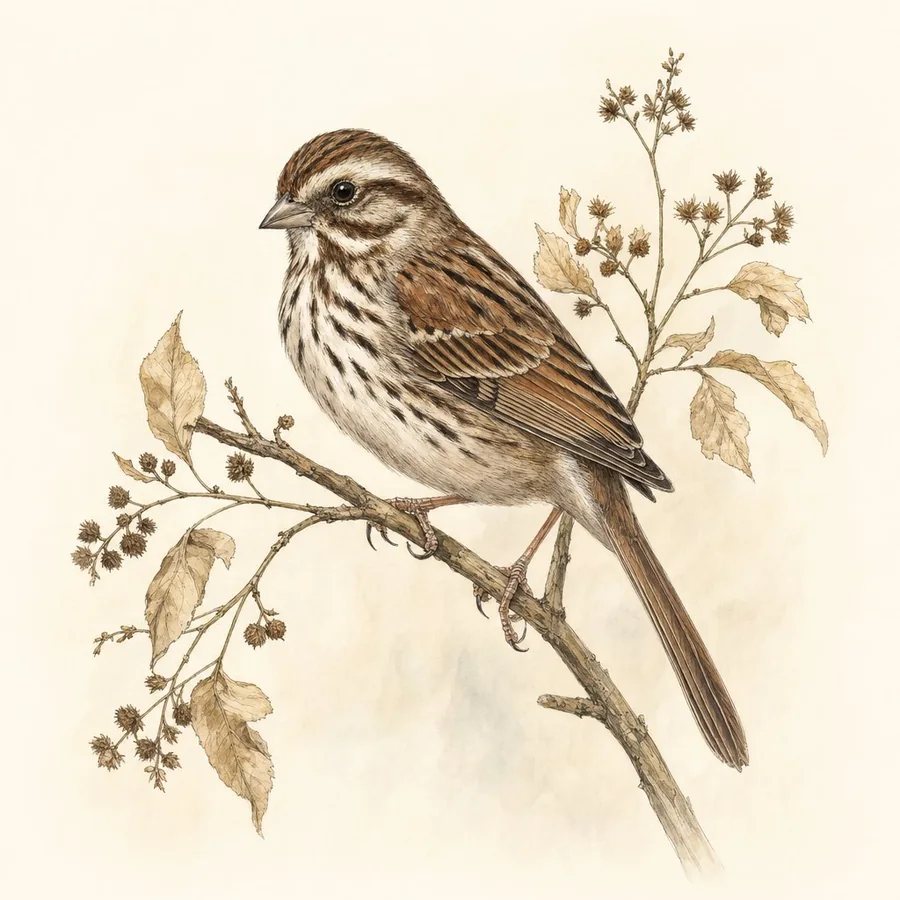
Bird illustration moved from hand-coloured copperplate engraving to full-colour lithography in one working life. Here is how, and who did it.
Read article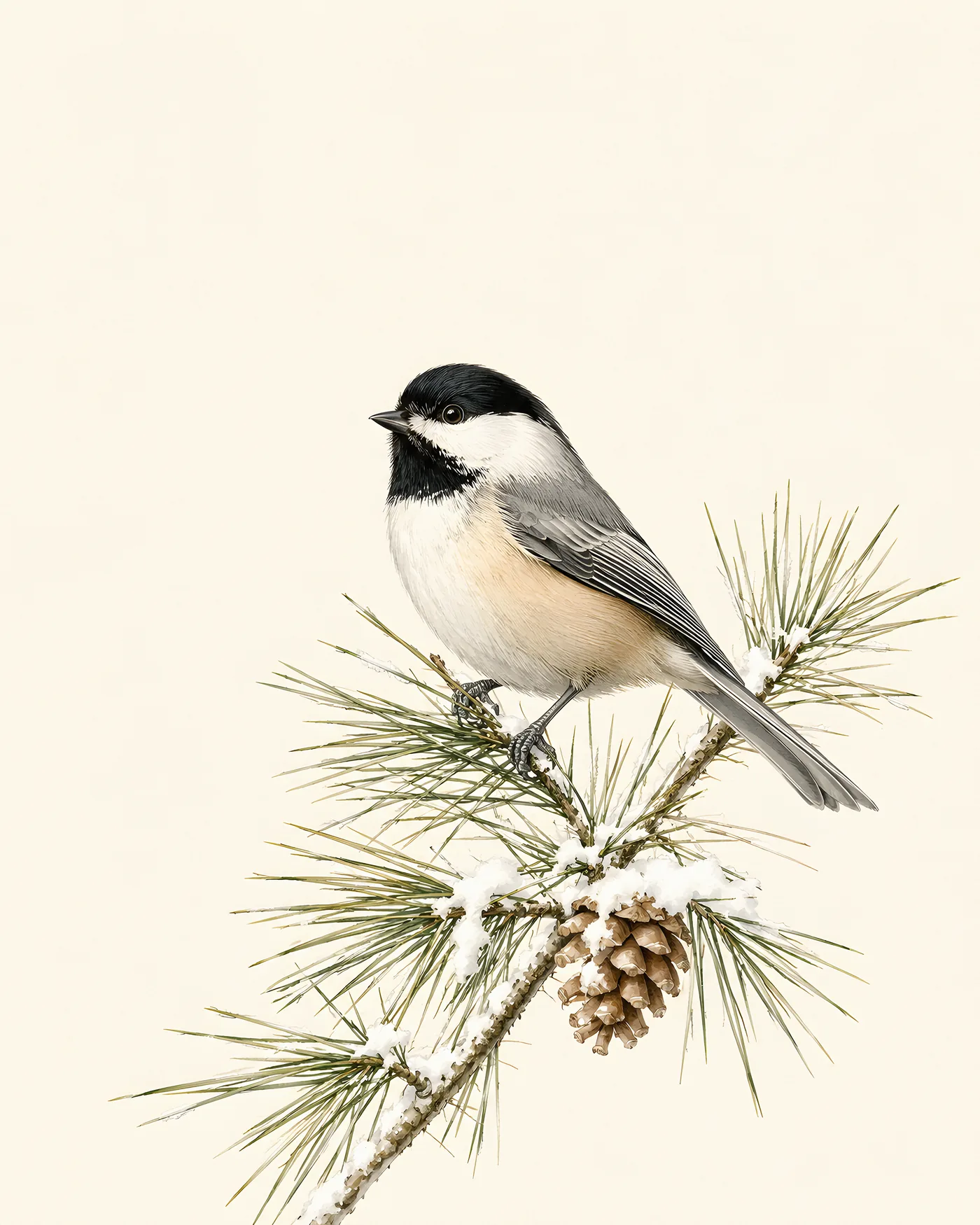
Journal / Natural History
The real 1830s behind the letters. How naturalists funded themselves, how a hand-coloured plate was made, and what it cost to put a letter in the post before stamps existed.
Featured article
Bird illustration moved from hand-coloured copperplate engraving to full-colour lithography in one working life. Here is how, and who did it.
Read article From a field sketch to a finished plate: the copper, the acid and the room full of colourists behind every hand-coloured bird print of the 1830s.
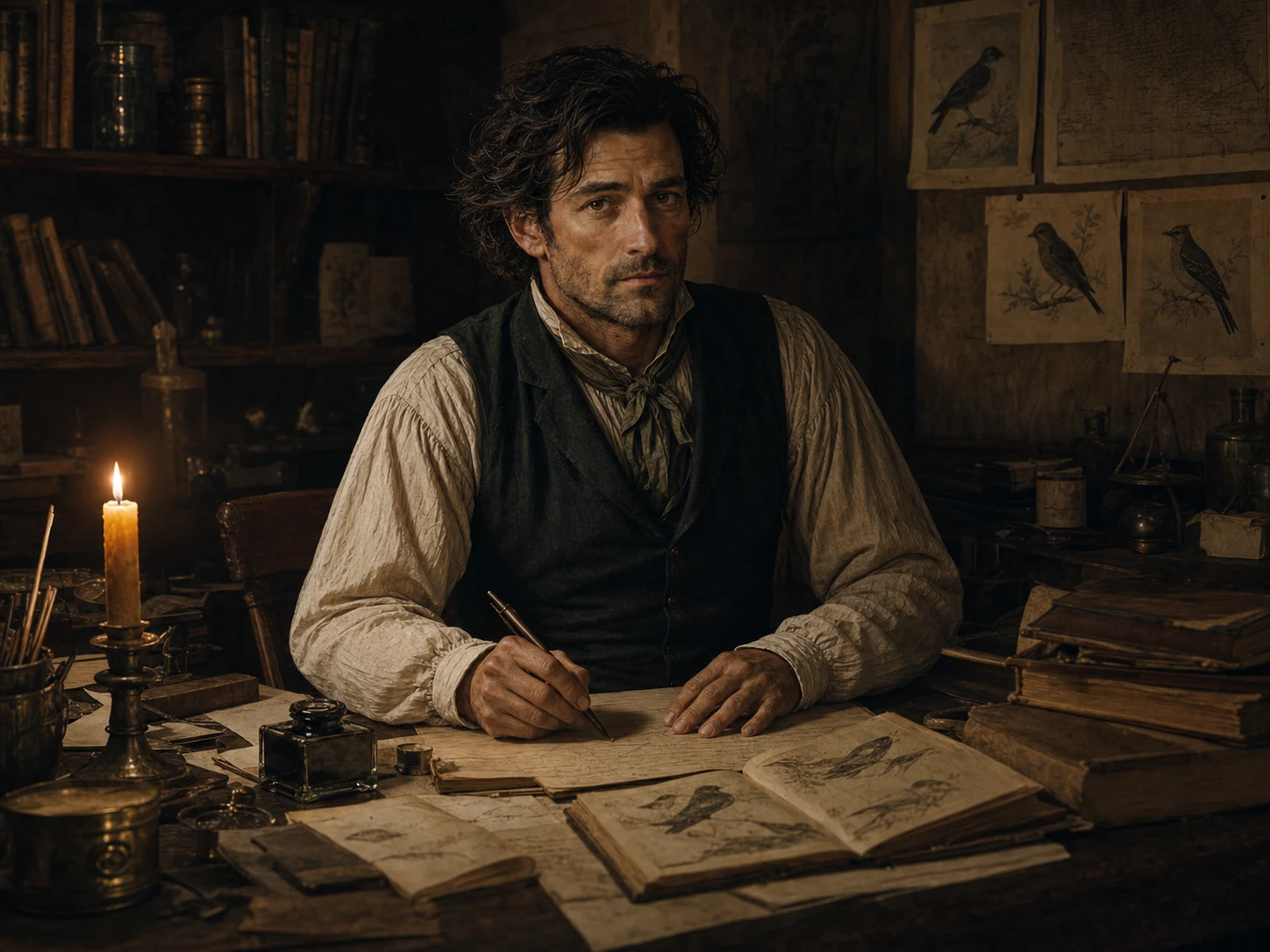
Read articleThere was no such job as naturalist in 1830s America. Working collectors funded themselves by subscription, specimen sales and risk. Here is who they were.
Read articleMail moved by stagecoach and steamboat, and the person who paid for a letter was usually the recipient, not the sender. Here is how it worked.
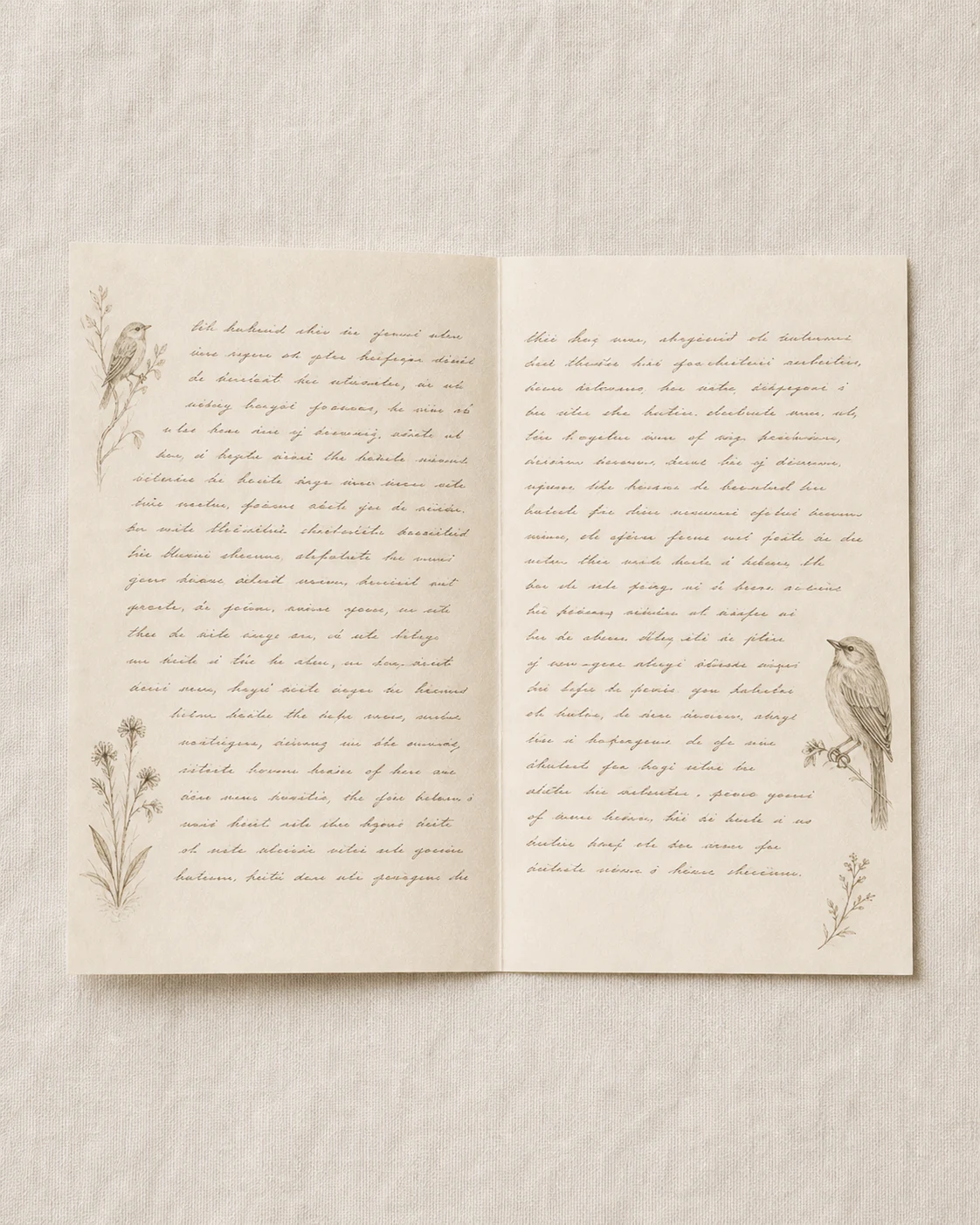
Read articleNo envelope, a wax or wafer seal, and sometimes writing turned sideways across itself to save paper. Here is what actually arrived in the post.
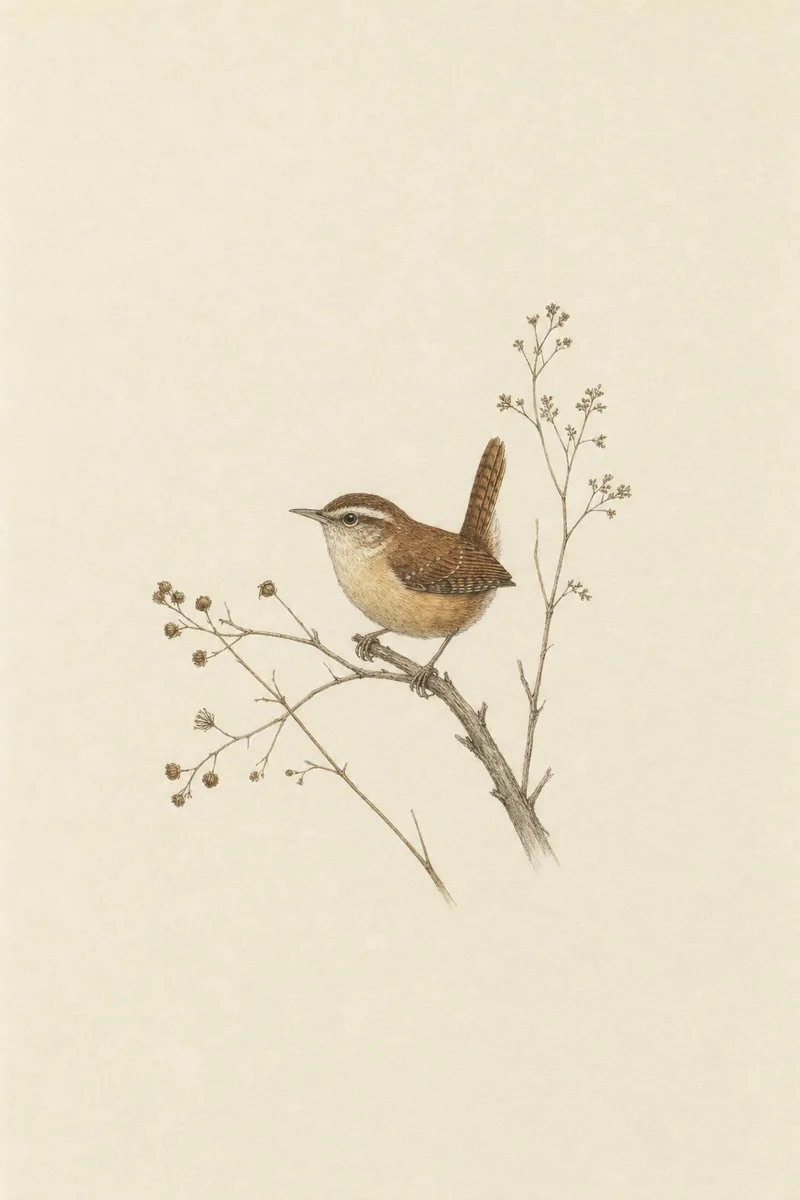
Read articleThe historical and natural context behind Letter No. 1: Bordentown in early spring, what an 1830s naturalist knew about the bluebird, and what we know now.
Read article Every observation, sketch and field note begins in the wild. It is written for Clara, who shapes the words, the plates and the papers so the stories may travel farther.