History lovers have more genuine choice in the letter-subscription world than almost any other reader, because so many of these clubs are built directly from historical documents or historical settings. Three services reproduce real letters that real people actually wrote. Two more use real history as the backdrop for an invented story. Which route suits you depends on whether you want the artefact or the narrative, and neither is objectively better; they are different appetites wearing the same stamp, and a reader who loves history in general can genuinely enjoy both without either one spoiling the other.
We sell one of the services listed below, Wild Bird Post, so that commercial interest is on the table from the start. Everything here was checked on public pricing and contents in August 2026, and where a rival genuinely suits you better than we do, we say so plainly rather than burying it.
Five services, at a glance
| Service | Route | Period covered | Cadence | Price |
|---|---|---|---|---|
| History By Mail | Real document | Colonial era through the civil rights era, rotating | Monthly | $8.99/month |
| Letterjoy | Real document | Unfixed, changes weekly with the featured letter | Weekly | $79 for a 3-month, 12-letter run |
| Literary Letters Co | Real figures | Roughly the late 1700s through the 1800s | Monthly | $6.50/month |
| Storyville Letters | Invented story | Unfixed, chosen per romance serial | Twice monthly | $14.99/month, or $11.41/month prepaid |
| Wild Bird Post | Invented story | 1832, a single fixed year | Monthly | $24/month |
The real-document route
History By Mail sends a replica of a genuine historical document each month, with a context card explaining who wrote it and why, at $8.99 a month with free US shipping. Its themes, historic inventions, America’s wars, foreign diplomatic relations among them, rotate roughly every four letters, and taken together they sweep from the colonial period through to the civil rights era rather than settling on one decade the way a single-subject club would. Letterjoy works weekly rather than monthly, twelve letters over a three-month run for $79, first-class postage included, and doesn’t fix itself to a period at all, each week’s letter is whichever real document the editors chose, so the century can change from one week to the next. Literary Letters Co is the cheapest entry point at $6.50 a month, with themed collections built around named figures such as Jane Austen and Edgar Allan Poe, which narrows its range to roughly the late 1700s through the 1800s, wherever its featured writers actually lived and worked. All three are reproducing something that already existed. The research is theirs; the story is history’s.
The invented-story route
If a genuine document isn’t the point, and what you actually want is a story that happens to be dressed convincingly in the past, fewer clubs commit to it properly. Storyville Letters offers a historical romance strand among its themed serials, two letters a month for a year at $14.99 a month, or $11.41 a month prepaid, with the plot invented and the period detail researched around it.
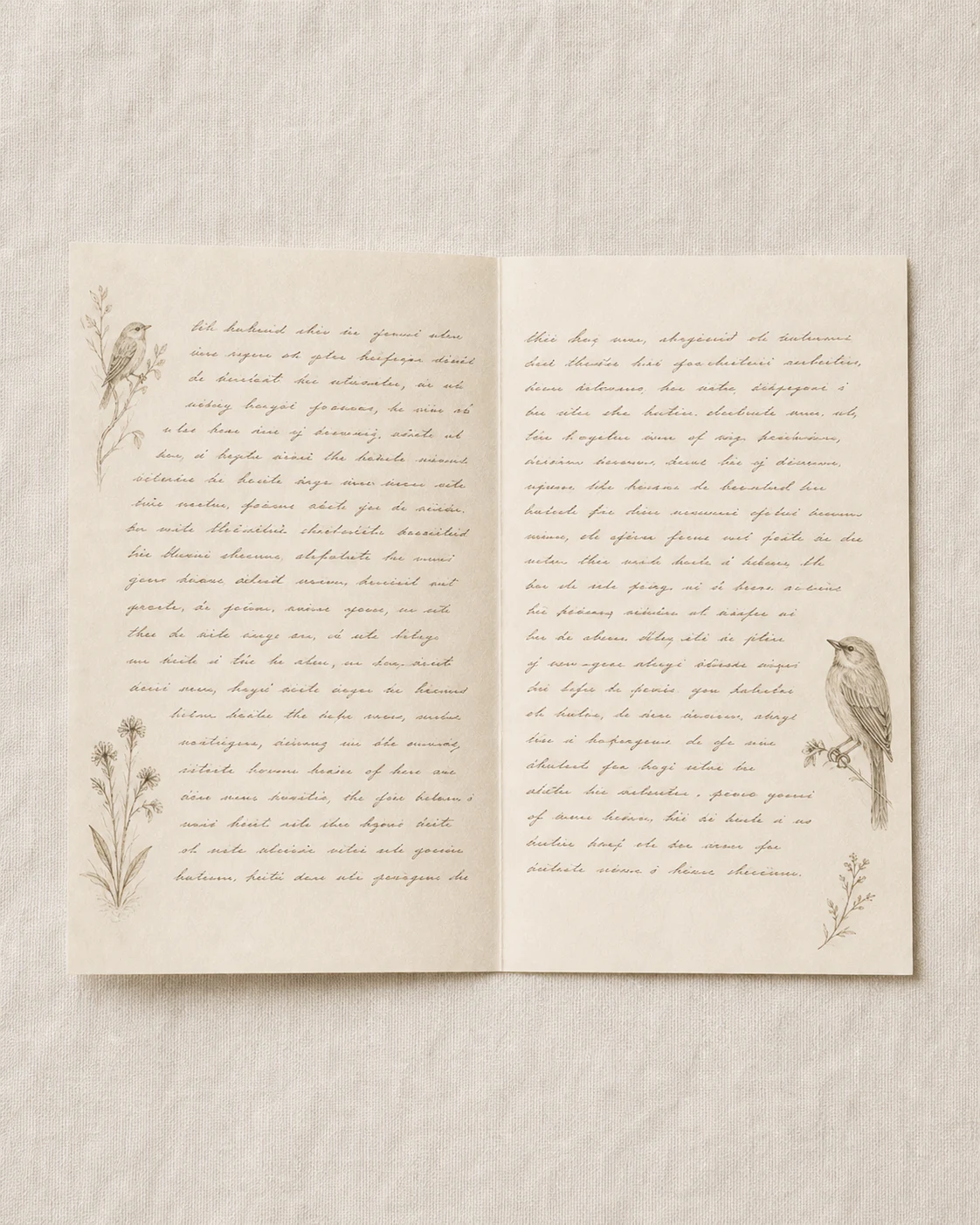
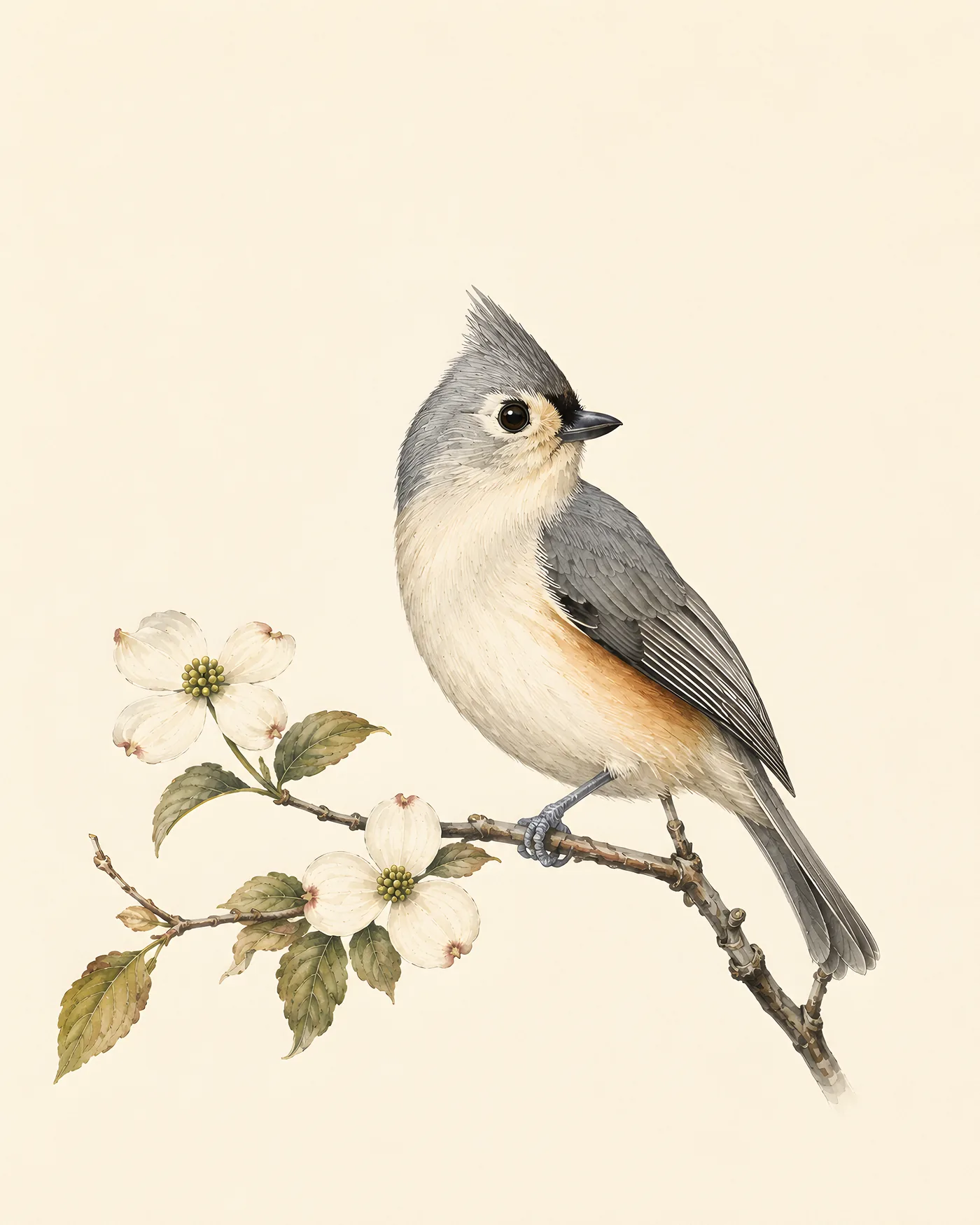
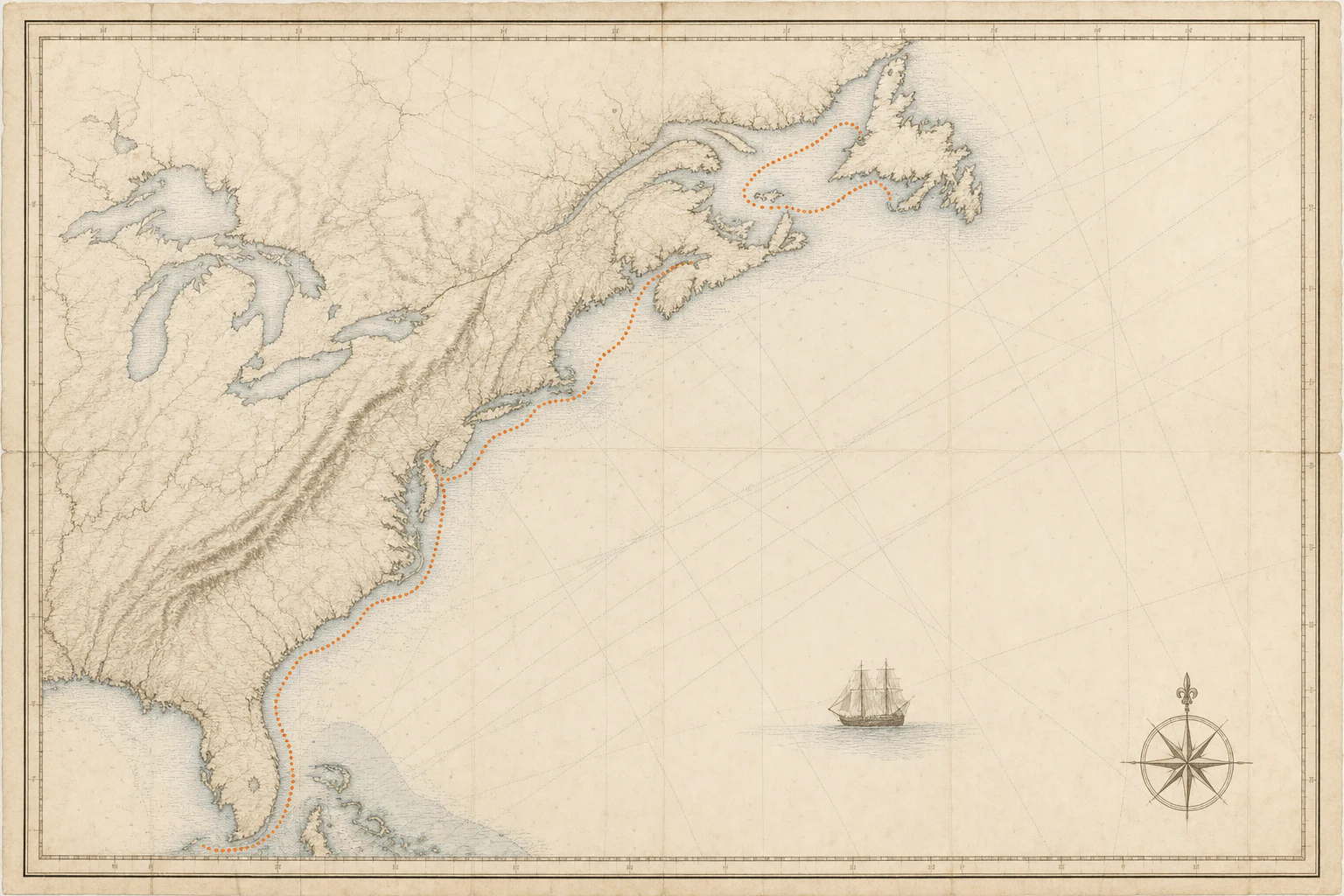
Wild Bird Post takes the same approach, narrowed to one subject. The letters are written by Josiah Rook, a fictional field collector making his way through 1830s America, to Clara Vandegrift, the woman he is courting, whose father has refused him and set a condition instead. The birds he describes and the natural history threaded through each letter are real and checked against real sources; the courtship is invented, the way a historical novel invents a plot around real events. Letter No. 0, the free sample, introduces the Northern Cardinal and the voice the rest of the year is written in; you can read it in full on the site before deciding anything, and the broader 1830s background the letters draw from lives on its own page, separate from the correspondence itself, for anyone who wants the history without committing to a year of story. Twelve letters make one finished narrative at $24 a month, postage included to the US, Canada and Europe, rather than an open-ended run.
What serious history buffs should check
Not every “history” label carries the same amount of research behind it. For the document services, ask whether the replica arrives with a proper transcription and a note on where the original lives, or just a facsimile with a vague caption underneath. Letterjoy and History By Mail both publish context for each document they send; a service that won’t tell you which archive or collection a letter came from is asking you to take its accuracy on faith alone.
For the story services, the useful question is different: does the invented plot respect what actually happened around it, or does it bend real events to suit a better ending. A historical romance strand that gets its dates, its travel times or its politics wrong will grate on a reader who already knows the period, however well the letters are written otherwise. It’s worth reading a sample before committing a year’s subscription to any service claiming a real setting, document or invented, because a factual slip in the first letter has a habit of recurring in the rest.
Which route suits you
Choose the document services if what would genuinely satisfy you is holding something a real person once wrote, however carefully reproduced. Choose the story services if you want history as atmosphere rather than artefact, and don’t mind that the plot itself is invented. Cadence is worth weighing too: Letterjoy’s weekly rhythm suits a reader who wants frequent, bite-sized history, where the others here settle into a slower, monthly pace better suited to a longer story. And if you’re buying for a history lover who already owns more books than shelf space, a subscription solves a different problem than another hardback would: it’s a present that keeps arriving rather than a single object, which suits someone genuinely difficult to shop for.
Whichever you choose, ask the same question you’d ask of any subscription: does the price include postage to where the letter is actually going, and how easily can you leave if the fit turns out to be wrong. Read a sample from each shortlisted service before you pay for a full term, if one is available; a page of the actual writing tells you more about the fit than any description on this page can. History is patient. Your letterbox doesn’t have to be.