A subscription gift stays meaningful for as long as it does one of three things: it gets consumed and leaves nothing behind, it gets used in a way that actually fits into a day, or it gets kept on purpose rather than by accident. It stops being meaningful the moment it becomes a box to find room for. The test is simple: picture month four. If the answer is “it’s gone” or “it’s somewhere I actually put it,” that’s a pass. If the answer is “it’s in the spare room with the others,” that’s clutter with a delivery schedule, and the gift has quietly become a chore for the person you meant to delight.
Gone by design
Atlas Coffee Club sends a single-origin bag from a different country each month, priced from around $11 to $14 depending on size, or as a prepaid gift: $60 for three months, $109 for six, $199 for the full year. Nothing about it is meant to last past the next bag, which is precisely the strength most gift-givers overlook: there is no drawer of half-used coffee anywhere in the house six months later, because it was never designed to survive that long.
UrbanStems works the same way with flowers instead of beans: a fresh arrangement on a schedule you choose, weekly, every two weeks, every four weeks or annually, at $60 per delivery for the Classic tier, $75 for Seasonal or $105 for Luxe, with a vase included on the first delivery and free shipping folded into all three. Flowers are the most literal version of “gone by design” on this whole list. Nobody stores a bouquet, and by the time the next one arrives the last one is long since composted, which is exactly why it doesn’t read as clutter even at a considerably higher price point than a bag of coffee.
Kept on purpose
Book of the Month sends one hardcover a month, chosen from a short curated list of new releases rather than the entire backlist, for $16.99 at the standard rate or as a gift subscription: $59.99 for three books, $99.99 for six, $199.99 for twelve. It’s still an object, so it doesn’t pass the “gone by design” test the way coffee or flowers do, but it passes a different one: people who read tend to actually keep the books they liked and pass on the ones they didn’t, which is a real form of use rather than accumulation for its own sake. Members can also skip any month without being charged, which matters more than it sounds; the subscriptions that turn into clutter are usually the ones with no pressure valve, where declining a month feels like more effort than just letting the box arrive.
Not boxed at all
The America the Beautiful annual pass, $80 for US residents as of 2026, covers entry to national parks, forests and federal recreation land for a full year, for one vehicle or four people on foot, and now comes as a digital pass stored on a phone rather than a card that gets lost in a glovebox. It isn’t technically a subscription, nothing arrives in the post after the pass itself, but it belongs on this list for the same reason the others do: it’s a year of recurring value that never once becomes a thing to store. For someone who already has too many objects, that’s often the more honest gift, and it’s the kind of present that gets used on an ordinary Saturday rather than saved for a special occasion that never quite arrives.
An Audible membership does the same job in a different medium entirely. The entry-level Plus plan runs $7.95 a month for a curated audiobook and podcast catalogue; Premium Plus runs $14.95 a month and includes one credit a month that can be redeemed for any audiobook in the store, regardless of price. Nothing physical ever arrives, so there is genuinely nothing to store, display or eventually feel guilty about donating. It suits a commuter or a walker who already has a habit the gift can slot straight into, and it’s the wrong choice for someone who reads specifically to get away from a screen, since the app still lives on one.
If the person you’re buying for is specifically a bird lover rather than a reader or a hiker, we’ve compared the actual bird subscription boxes on the market in more detail, seed clubs, trinket clubs and the rest, because that category has exactly the same clutter problem in miniature: a pin joins a drawer of pins, a patch joins a drawer of patches, and the delight is real but front-loaded into the thirty seconds of unwrapping. Knowing which trap a given category tends to fall into before you buy is most of the battle.
The one that becomes an heirloom
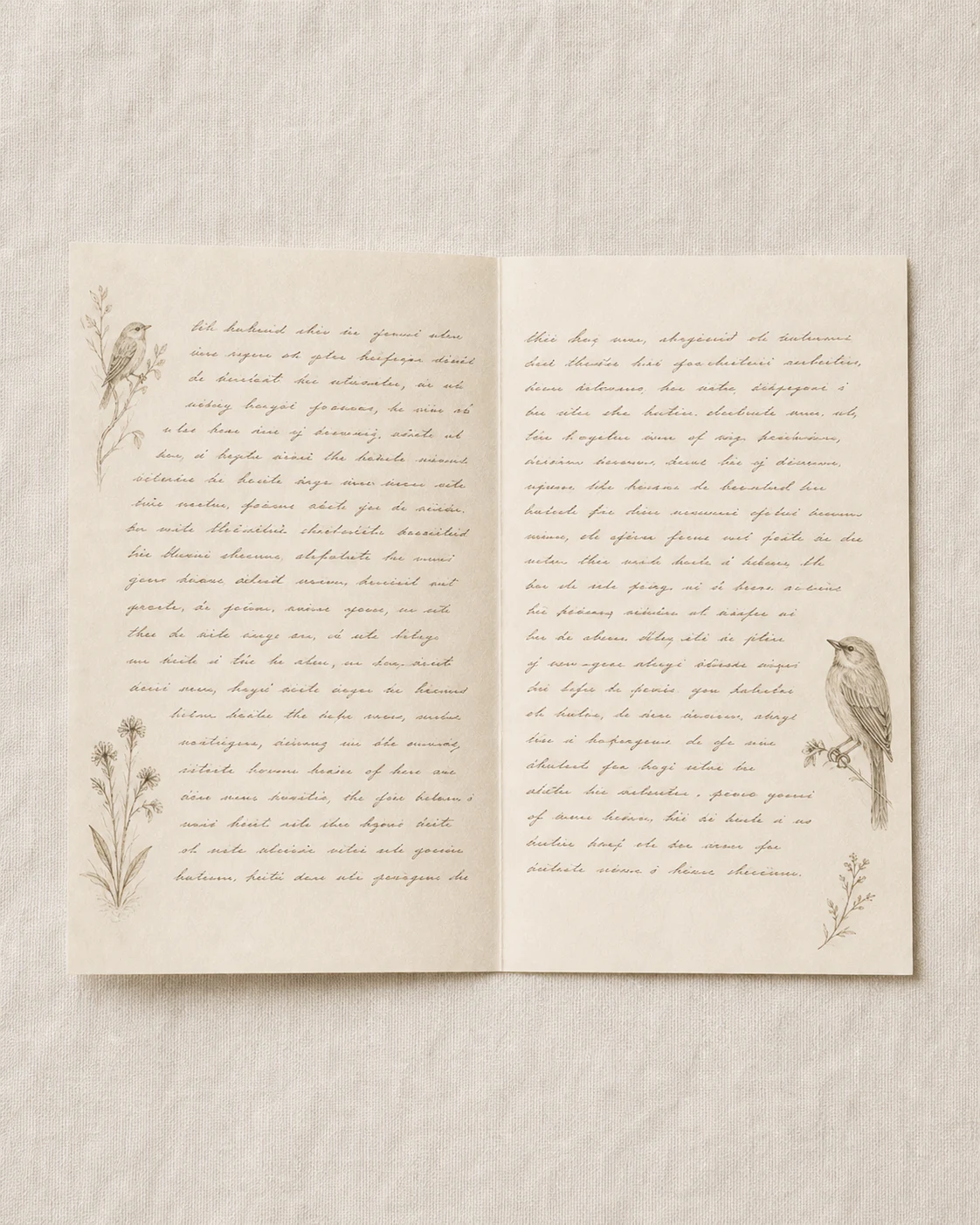
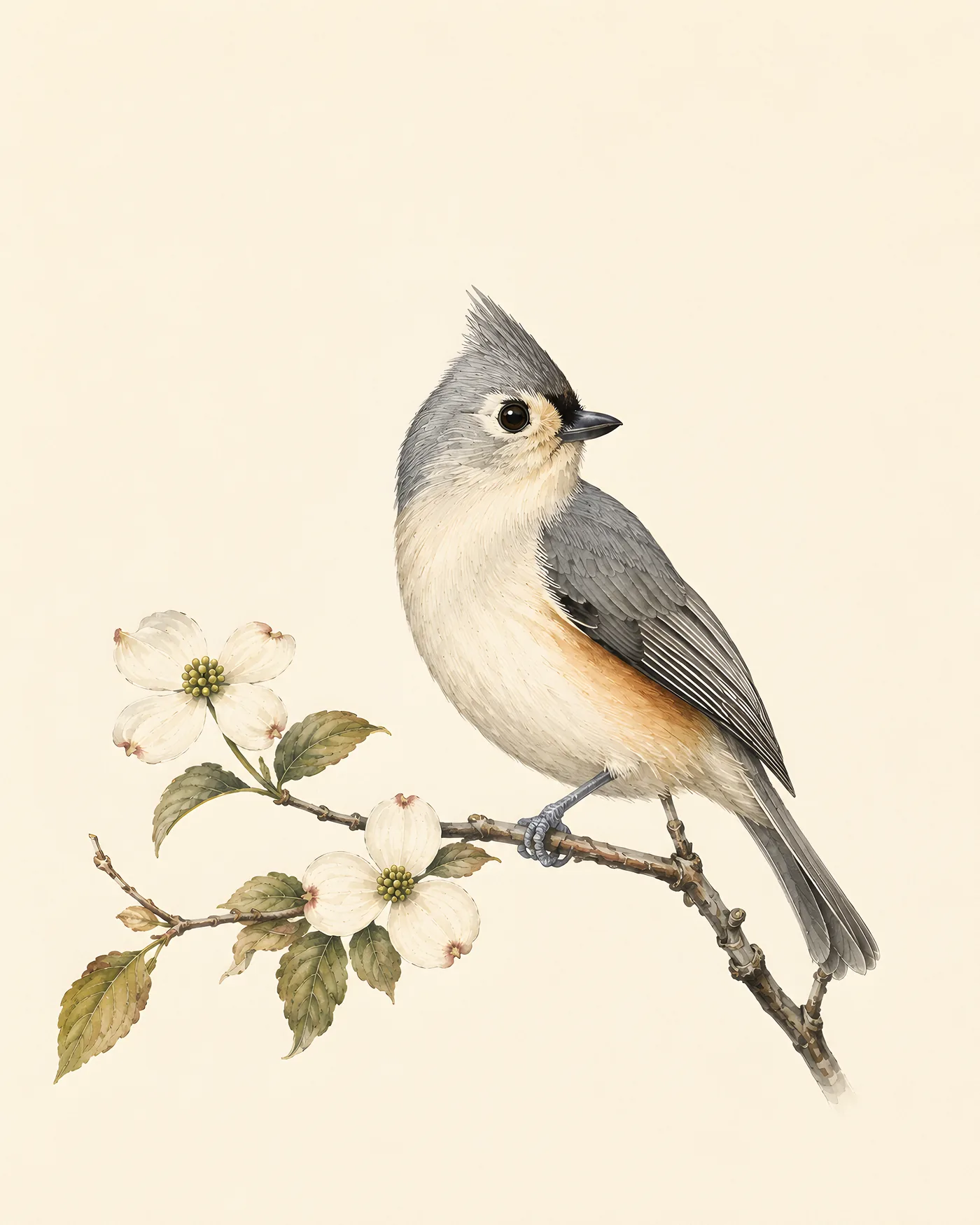
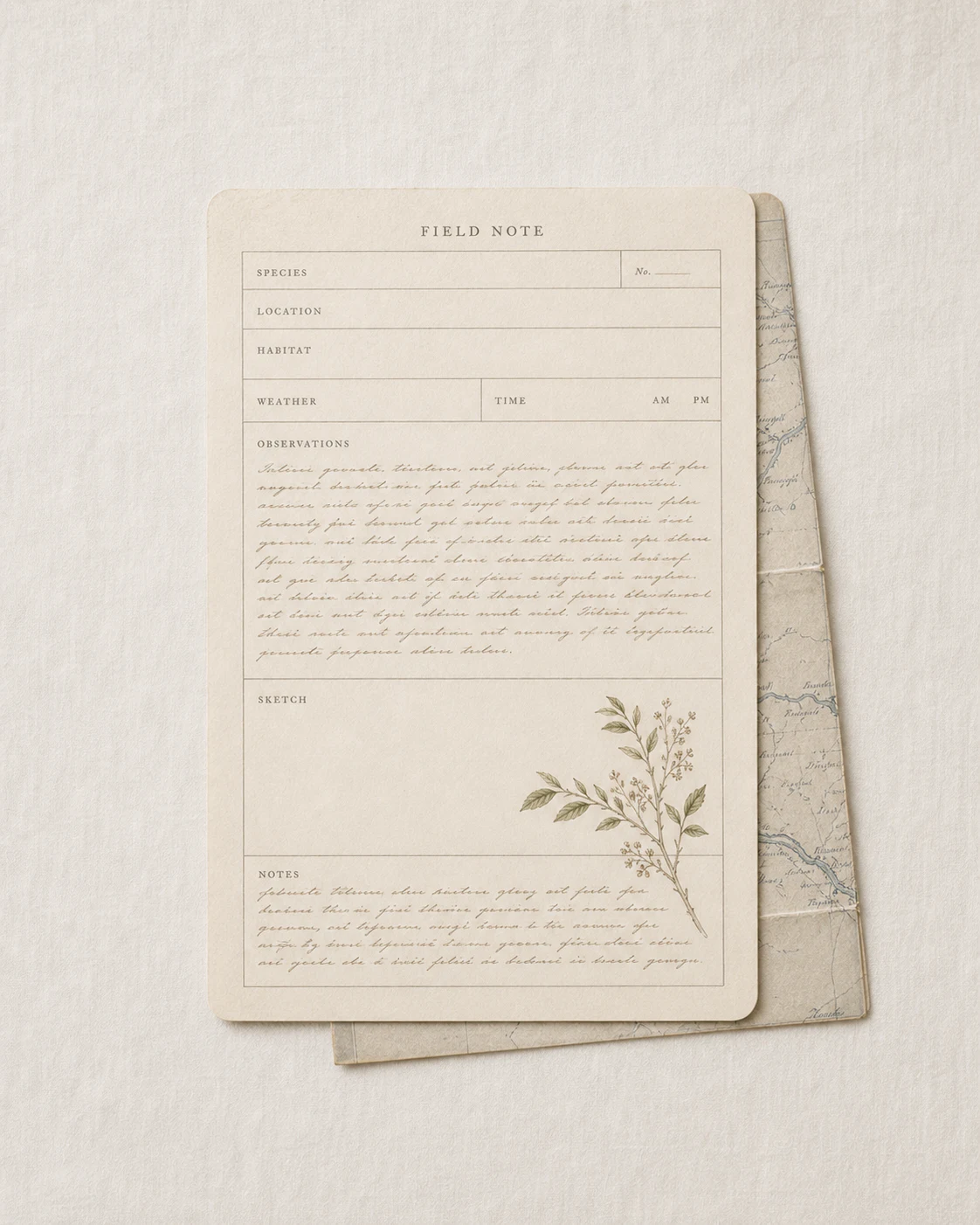
Wild Bird Post sits in the “kept on purpose” category rather than the “gone by design” one: a monthly letter from a field collector in 1830s America, two sides in his hand with sketches down the margins, arriving with a fine-art bird plate and a field note. Twelve letters tell one finished story and then it ends, which is unusual for a subscription, most are built to run forever, and it’s meant to be the kind of thing that ends up bound into a keepsake rather than recycled. That finite length is also an honest answer to the clutter question: there’s a known point at which the letters stop arriving, rather than an open-ended commitment neither of you agreed to. The fuller comparison against other letter subscriptions for adults covers where it sits against the category properly.
Whichever of these you choose, the test at the top of this post still holds: picture the recipient four months in, and buy the one that ends somewhere better than a shelf they’re avoiding. Subscriptions are open: $24 monthly, $135 prepaid for six months or $240 prepaid for twelve months, with postage included to the US, Canada and Europe. Read Letter No. 0 free on the site before choosing. Prepaid gifts do not renew and include an optional note at checkout.