Where you already sit, not where the books say to start. Backyard birdwatching for beginners doesn’t need binoculars, a field guide, or a weekend course. It needs a chair with a view of the outside, ten minutes you weren’t going to get back anyway, and the willingness to watch one bird properly instead of trying to see every bird that moves.
Start with the seat, not the equipment
Most beginner advice starts with gear: what binoculars to buy, which app to download, which guidebook covers your region best. All of that is useful eventually and none of it is where to start. Start with wherever in the house you already sit for ten unclaimed minutes, coffee in hand or otherwise, and check whether a window falls into that seat’s sightline. If it does, you’ve already found your beginner setup. If it doesn’t, moving the chair is the only piece of equipment worth buying before anything else.
The feeder does the inviting
A feeder, or even a handful of seed scattered on a clear patch of ground, turns “watch for birds” into “watch the birds that are already coming to you,” which is a much easier habit to keep. Don’t overthink what goes in it at the start; a basic mixed seed draws a wider variety of regulars than any single specialised feed, and it’s easy enough to refine once you notice who’s actually turning up and who’s leaving the mix untouched. Placement matters more than the feeder itself: close enough to the window to see clearly without binoculars, and either right against the glass or a proper distance away, never in the awkward middle range where a startled bird can build up speed before it meets a pane it never saw coming. Cover nearby, a shrub or low branch within one quick flight, gives visitors somewhere to retreat to, and a feeder near cover gets used with far more confidence than one standing alone in the open.
The only skill worth practising early
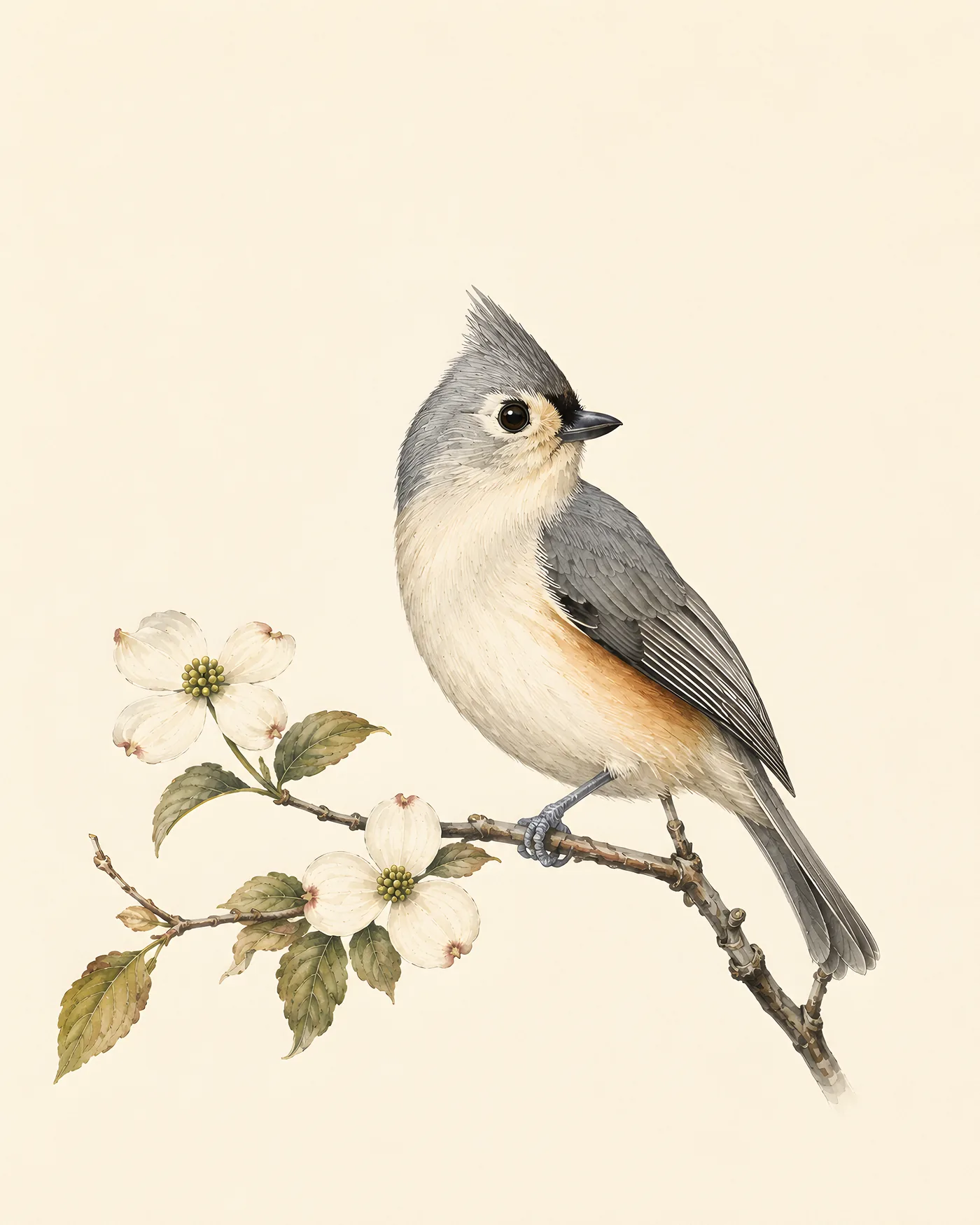
Beginners are usually told to start with identification, and it’s not bad advice, just early advice. The skill that actually makes the difference in the first few weeks is simpler: staying still and watching one bird for longer than feels natural. Not scanning for the next arrival, not reaching for a phone to look something up mid-watch, just following whichever bird is already there until it does something you hadn’t noticed the first time you glanced at it.
This happens to be the entire idea behind slow birding, a term the evolutionary biologist Joan Strassmann put a name to in a book built around exactly this argument: that watching familiar birds closely beats chasing unfamiliar ones for a list. Wild Bird Post didn’t invent the idea. It’s built around the same one, at the pace of one bird a month instead of one sit at a time.
What you don’t need yet
A checklist, a life list, or a name for every bird in the garden. Wanting to know what you’re looking at is a completely natural instinct, and when it shows up, the field guide at Ask About Birds covers identification properly, species by species, in far more depth than a beginner post like this one should attempt. But naming a bird and watching a bird are two different skills, and the second one is available to you on day one with no reference book required. Plenty of people who can’t yet tell a house finch from a house sparrow are already better at watching than birders who can name everything and rarely sit still long enough to see anything new.
The first week is usually the quietest
It’s worth saying plainly: the first few sits are often the least rewarding, and that’s normal rather than a sign anything’s wrong. Birds take time to find a new feeder and longer still to trust it enough to visit while someone’s sitting nearby watching through the glass. Don’t take an empty first week as proof the method doesn’t work. Keep the feeder filled, keep sitting at roughly the same time, and the visits tend to arrive properly in the second or third week rather than the first. Treat that early quiet stretch as part of the practice rather than a sign to give up on it; the patience it asks for is the same patience the whole habit runs on later.
The ten minutes that make it a habit
What turns a single good morning into an actual habit is repetition at the same rough time, in the same seat, for about ten minutes. Not every day needs to be interesting. Some sits will be one bored sparrow and a lot of empty branch, and that’s fine; the habit is built on the sitting down, not on something remarkable happening every time. A closer look at building that into an actual morning routine covers the chair, the feeder and the timing in more detail, if ten minutes turns into something you want to protect daily rather than catch when you remember.
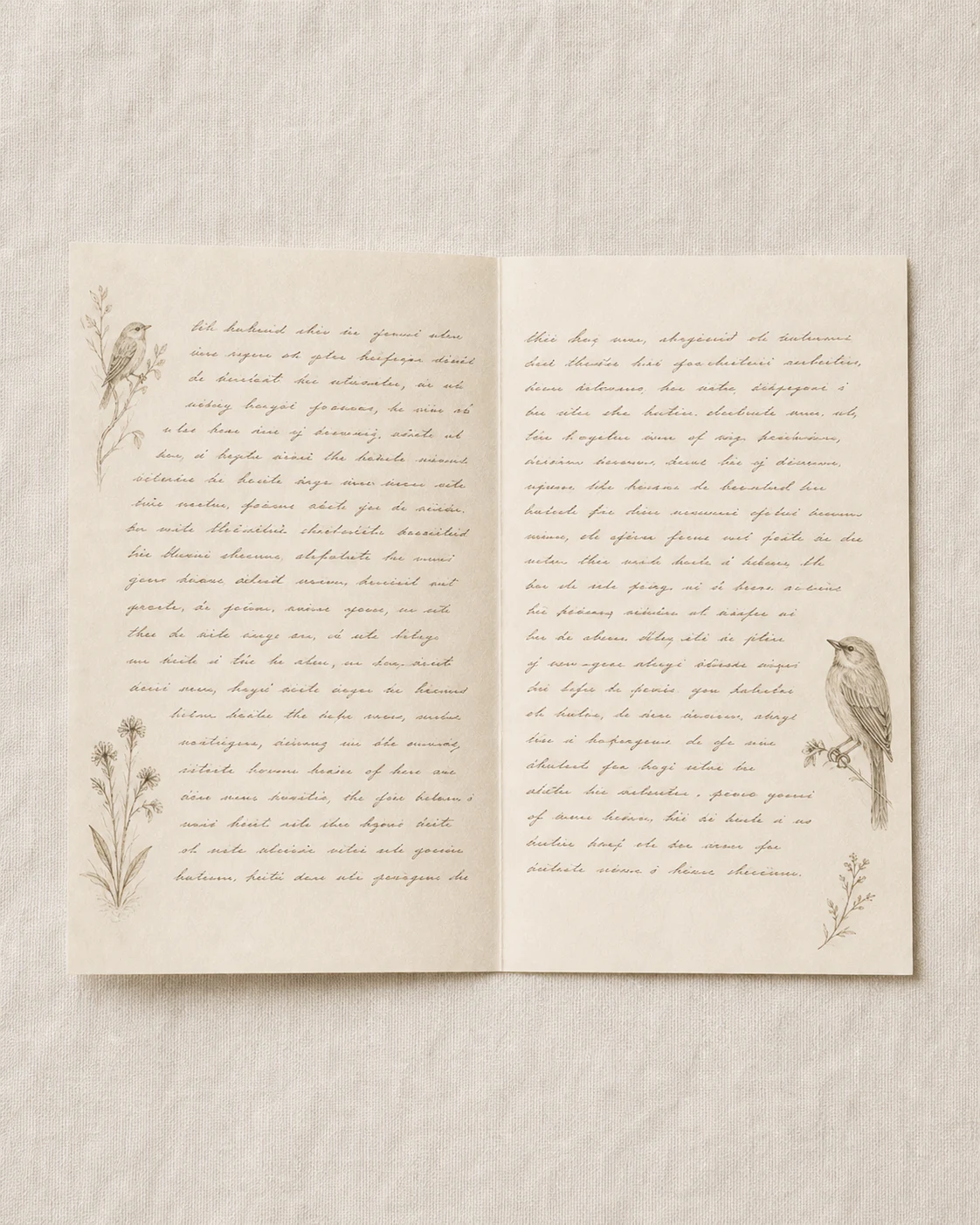
Start there: a chair, a window, ten minutes, and one bird at a time. Everything else, the names, the gear, the life list, can wait until the habit doesn’t need convincing anymore. If you want a sense of where this kind of unhurried attention can lead, the free specimen letter, built around a single bird’s story, is worth a look.