A morning bird ritual doesn’t need much: one window, one feeder, and ten minutes you weren’t going to get back anyway. We’ve already made the case for why watching birds makes you happier; the research keeps agreeing with the feeling, and there’s no need to repeat it here. This is the practical half: how to actually build a morning bird watching ritual, a routine simple enough to survive past the first week and specific enough to survive the change of season after that.
Choose the chair, then the window
Start with where you already sit. The ritual that lasts is the one that asks nothing extra of you: no new chair, no rearranged furniture, just the seat where the coffee already happens, angled so a window falls naturally into its sightline. If no window currently qualifies, that’s the one thing worth moving before you buy anything else.
Where the feeder actually goes
Feeder placement matters more than feeder quality. Hang it close enough to the window that you can watch without binoculars, and either right up against the glass or a good clear distance from it, never in the awkward middle range where a bird can build up speed before it meets a pane it never saw coming. Give it a branch or a shrub within one quick flight too, cover to duck into the moment a hawk’s shadow crosses the garden. Birds read a feeder’s surroundings before they ever read the feeder.
Why the light matters as much as the window
The same feeder looks like a different scene depending on what the light is doing, and it’s worth choosing your ten minutes around that rather than around the clock on the wall. Early light comes in low and sideways, which is exactly what makes colour show: a cardinal at eight in the morning in low winter sun reads redder than the same bird at noon. It’s also the calmest light for your own eyes, low enough not to force a squint toward the window, which matters more the longer you plan to sit there. If your chair faces the wrong direction for morning light, the ritual will quietly stop working before you’ve worked out why; a west-facing window at breakfast time shows you silhouettes, not birds.
What to notice first
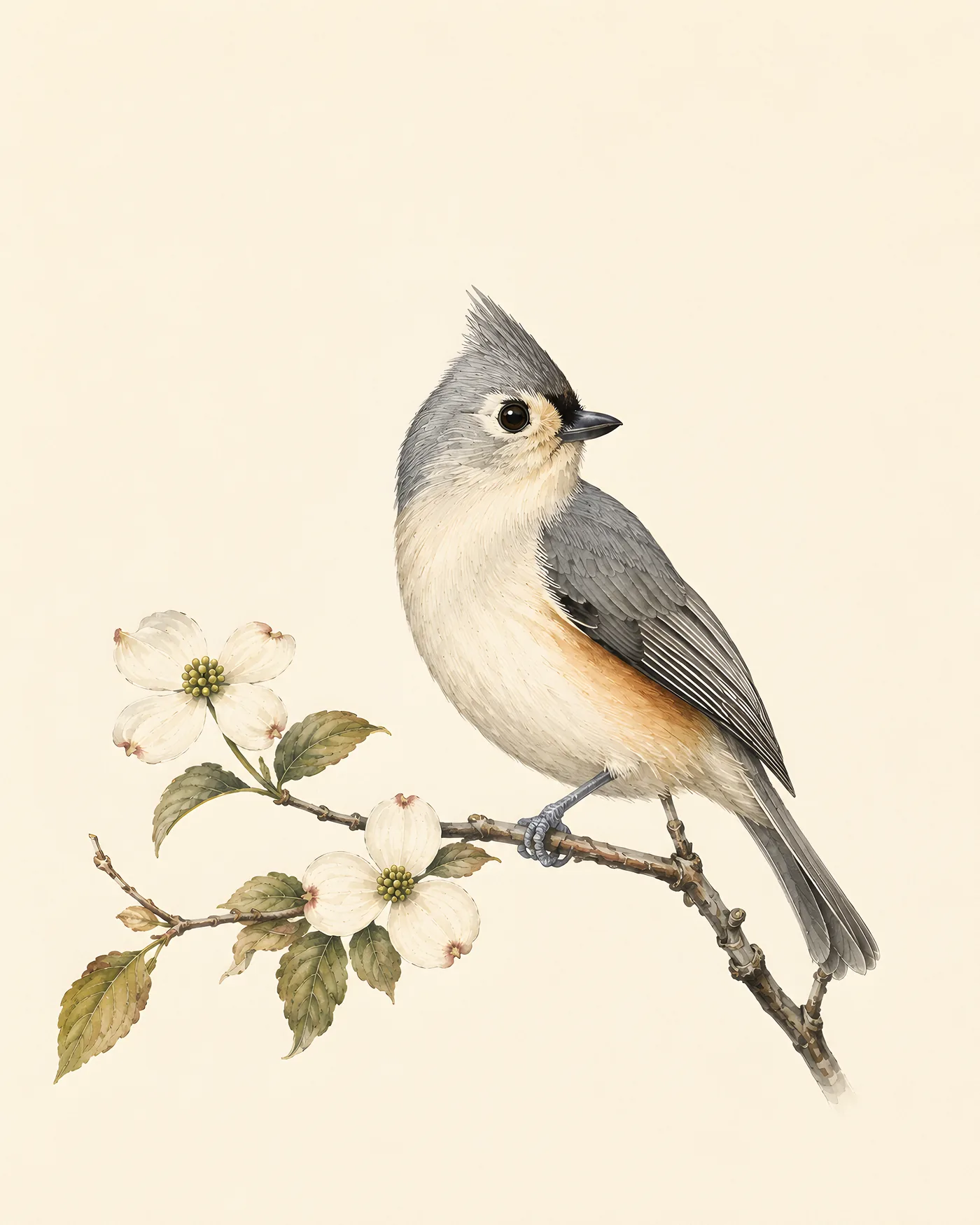
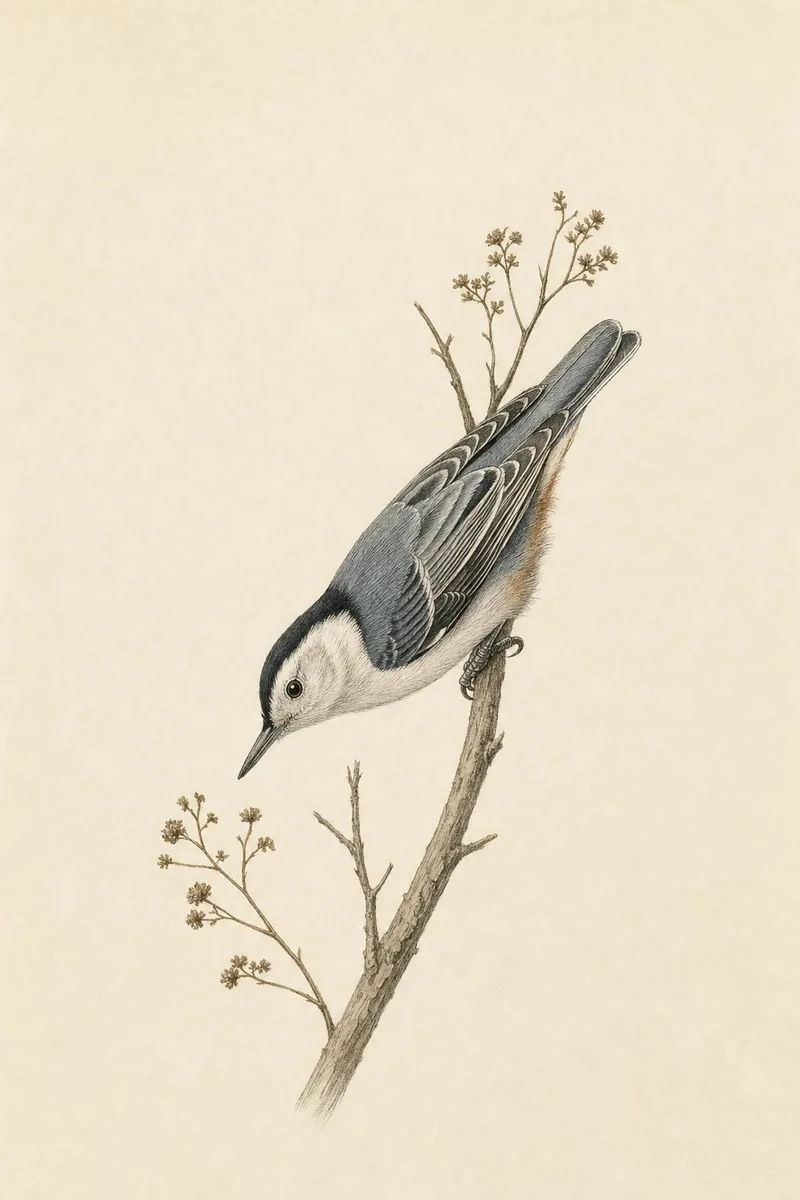
New to this, don’t start by trying to identify anything. Start by noticing order: who arrives first, who waits, who barges straight in without checking. That’s the part that actually holds attention, long before a name matters. The regulars tend to show up first, the birds who consider the feeder theirs, chickadees usually, sometimes a nuthatch working the pole upside down out of pure contrariness. The visitors arrive more cautiously a little later: a cardinal pair holding the hedge line until the coast looks clear, finches drifting in as loose, noisy little gangs. Watching the pecking order becomes its own small pleasure once you know to look for it, and the names can come later, in their own time, without turning the ten minutes into homework.
The ten unhurried minutes
Then it’s just sitting there, coffee optional, phone face down. Nothing about this ten minutes needs managing. The whole point is that it asks less of you than almost anything else in the morning, which is precisely why it works as an anchor for the rest of the day: it’s the one thing on the list that can’t be rushed, because rushing it defeats the purpose entirely.
What changes across a week
Watch the same feeder for seven mornings running and it stops looking like the same scene twice. A quiet Tuesday with two chickadees and nothing else is not a failure; it’s the baseline that makes Thursday’s sudden crowd of finches worth noticing at all. Weather moves the traffic more than anything: a cold snap brings more birds to the feeder as wild food gets harder to find, and a mild, food-rich week can empty it out for a day or two while everyone forages elsewhere. A week is also long enough to start recognising an individual rather than a species, a chickadee with a slightly off wingbeat, a cardinal who always comes in from the same direction. That’s the moment the ritual stops being about birds in general and starts being about the particular birds in your garden.
Keeping it going through winter
Winter is where most morning rituals quietly fail, and it’s rarely about the cold. It’s about the light arriving later than the alarm does, so the ten minutes either happens in the dark or gets skipped. Two fixes cover most of it: move the sit-down to whenever first light actually reaches your window that month, even if that means the ritual drifts an hour later by December, and keep the feeder stocked through the exact weeks it matters most, since a January cold snap is when the traffic is heaviest and the payoff for showing up is highest. The birds don’t observe the ritual either way. They’ll be there in the dark cold of February exactly as reliably as they were in September, which is, in the end, most of the appeal.
Worth writing down
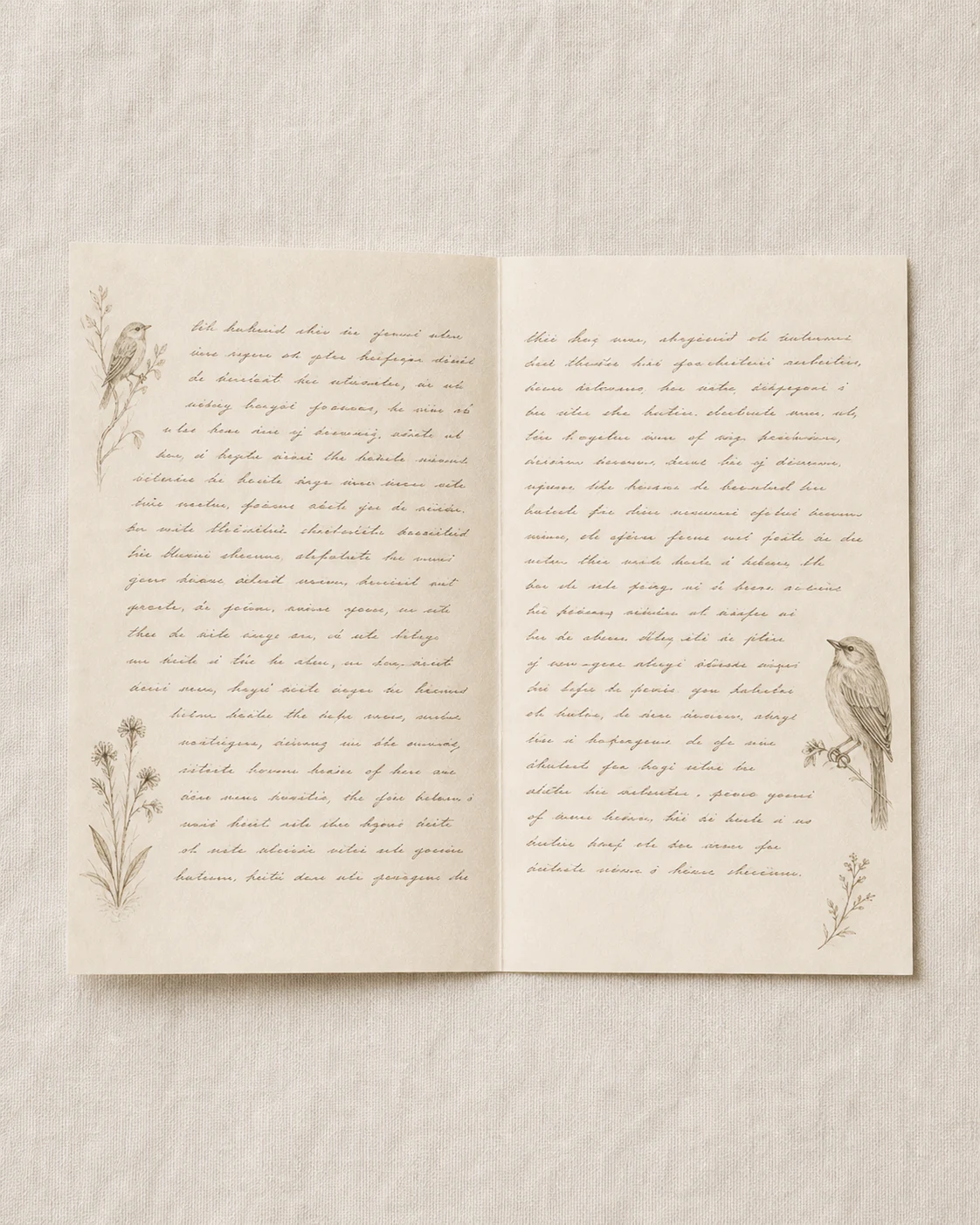
None of this needs recording, but a single line a day turns a habit into an archive. Date, weather, who showed up, one sentence about what they did. Six months of one-liners reads like a nature diary you didn’t mean to keep, and it’s the kind of record that lets you notice a pattern: the finches gone quiet for a fortnight, then back the same week the thistle seed goes out again.
That’s the whole ritual: a chair you already use, a feeder placed with a little more thought, light you’ve actually accounted for, and ten minutes that ask nothing of you except attention. It’s also, not coincidentally, most of what slow birding means as an idea: paying closer attention to fewer birds, rather than chasing a longer list. If you want the noticing to go somewhere beyond the notebook, the twelve letter themes at Wild Bird Post are built around exactly this kind of watching, one bird or one season at a time, delivered on paper instead of a screen.