People ask, reasonably, how letter subscriptions are actually made once you take away the fulfilment centre and the mailing house. Wild Bird Post has a simpler answer than most: one desk, one person, Co. Louth, from first draft to final stamp. Here is the life a letter leads before it reaches your hand.
Research first, then longhand
Every letter starts with research before it starts with writing: which bird, which story about it actually holds up rather than merely gets repeated, what the season was doing outside the window that particular month in 1832. That research stays narrow on purpose. Species identification, range and folklore are a different site’s job entirely, so a letter draws only what it needs to make the story true, one behaviour, one date, one piece of natural history, checked against a real source rather than copied from wherever it was easiest to find. A reader who wants the fuller species picture is pointed onward rather than given a shallow version here; askaboutbirds.com’s species guides carry that depth properly.
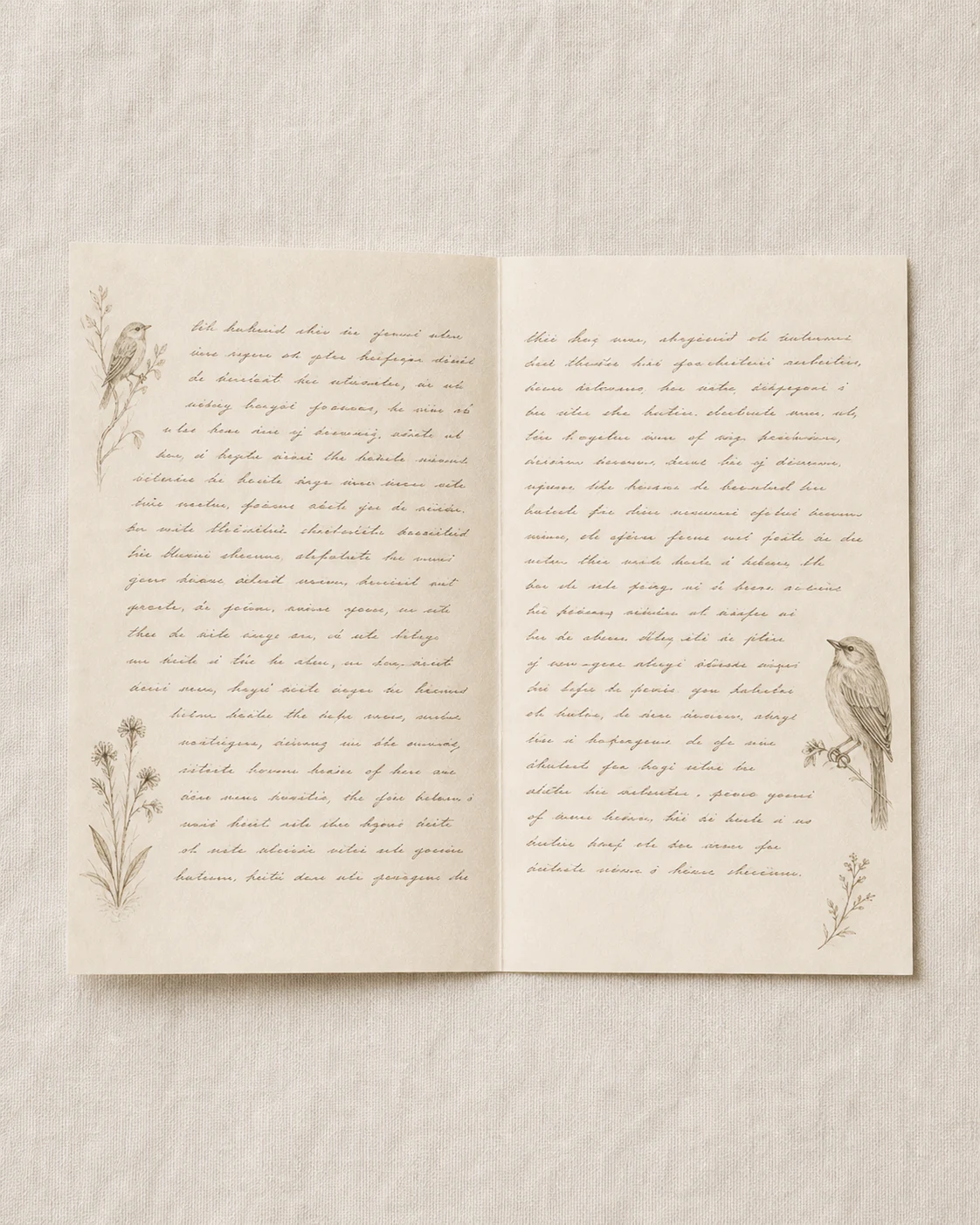
Then it’s written by hand, in longhand, before a word of it is typed. That first draft is deliberately slow. A letter composed straight into a keyboard tends to read like an email that got long; one drafted longhand, the way people wrote to each other for a couple of centuries, tends to read like a letter. The sentences come out shorter and the pauses land differently when the hand can’t keep up with the thought, which is exactly the friction a keyboard removes and a letter needs. Only once the handwriting is finished does it move to a keyboard to be tightened and checked against the research notes for anything that crept in unverified.
The poem hunt
Somewhere in the middle of drafting comes the part that takes the longest for its size: finding a few real lines of poetry about that particular bird. Not any poem. It has to actually be about the bird rather than birds in general, it has to earn its place on the page, and the poet has to be safely out of copyright, which in practice means searching through writers who have been dead the better part of a century. More often than not the name that turns up has half slipped from memory, Gallagher, Clare, Dickinson, Wordsworth, and the right handful of lines becomes the letter’s second voice, always credited by name, never lifted quietly, never trimmed in a way that changes what the poet actually meant. It’s the slowest part of the process, and the part most likely to send a whole afternoon sideways chasing a poem that turns out to be the wrong bird, or the wrong century, or simply still in copyright. But it’s also the part that makes a letter worth keeping rather than reading once, because a good line of real verse does something a paraphrase never quite manages.
Type, ink and 250gsm
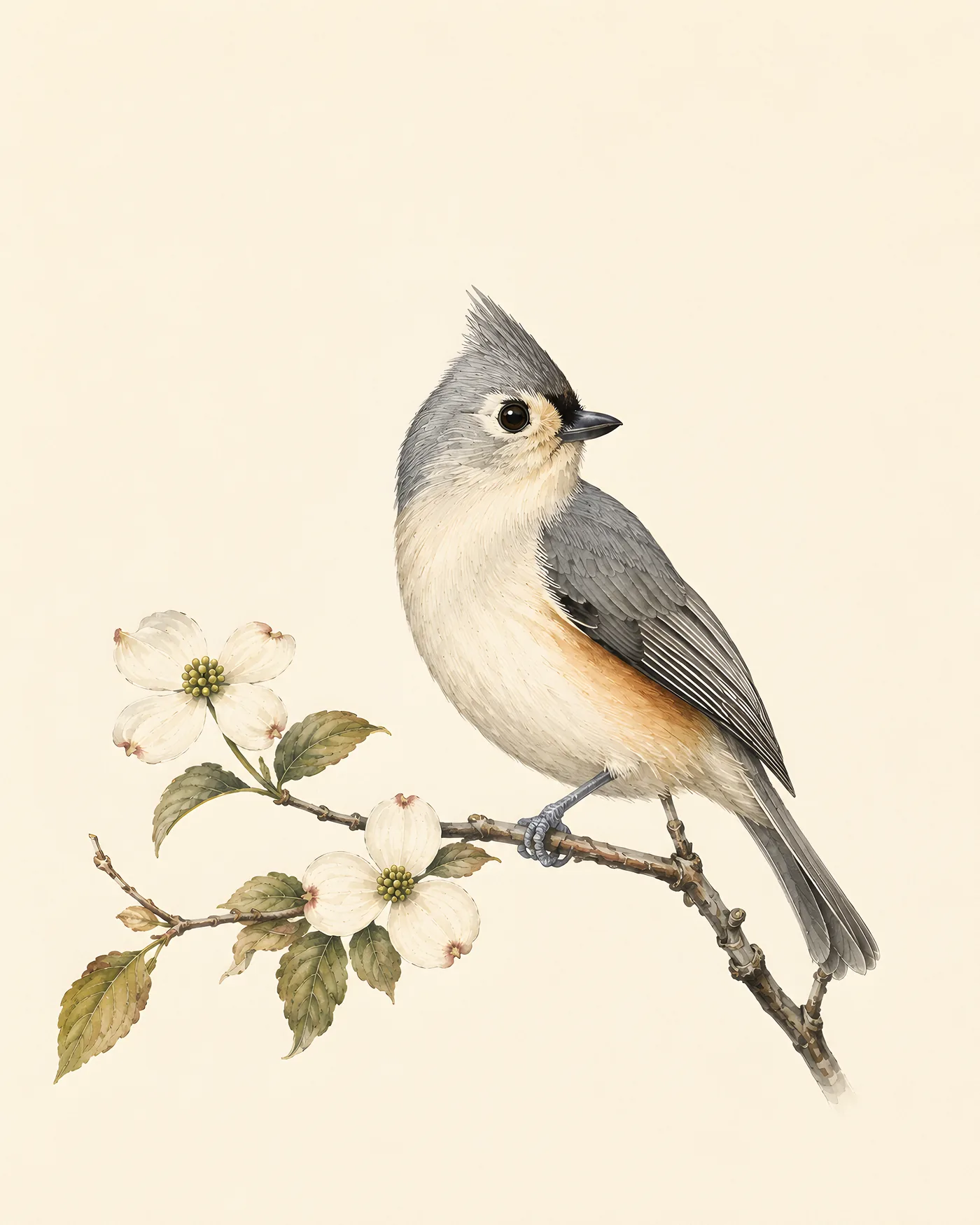
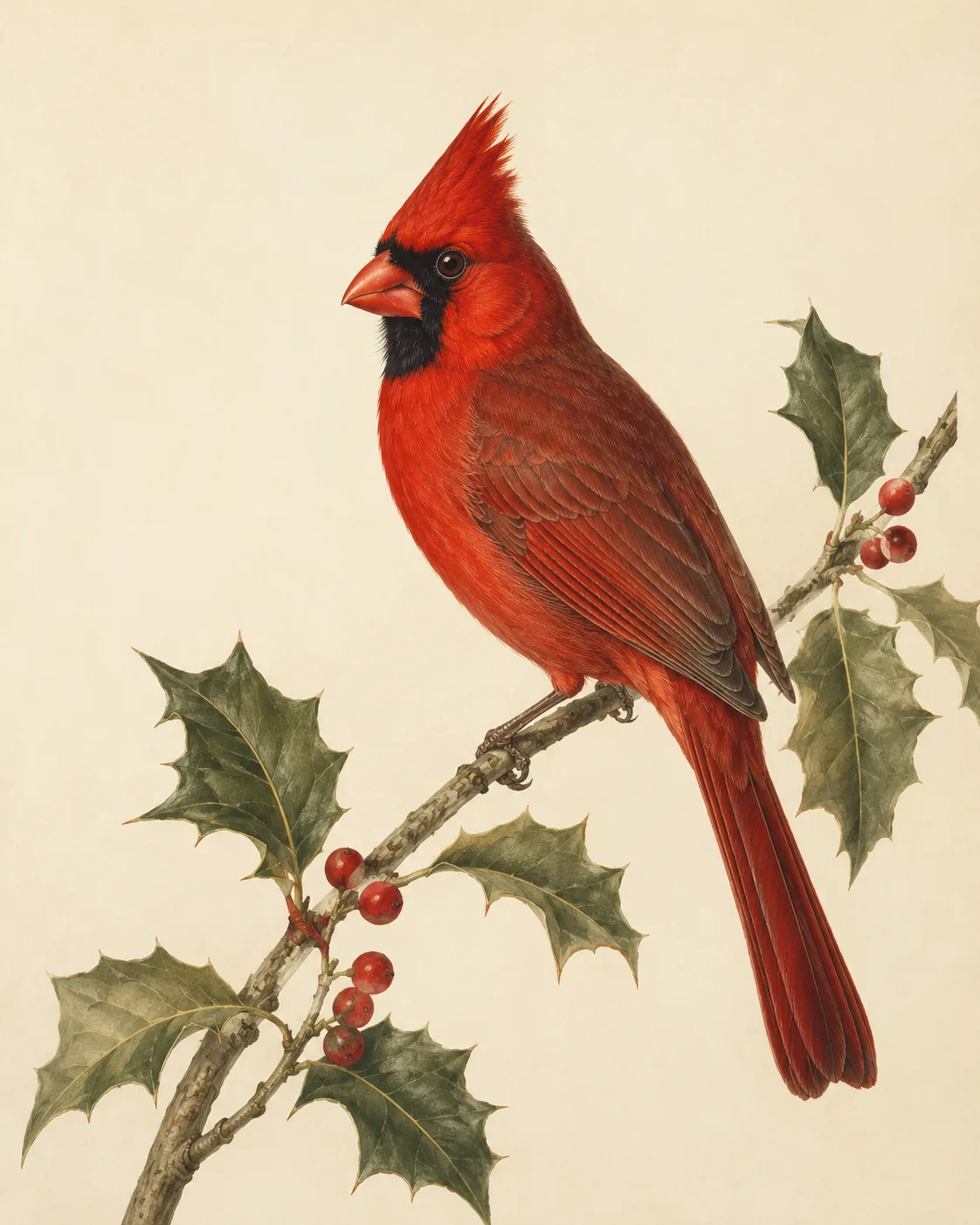
Once the words are settled, the letter is set in type: four pages, one bird, no padding, no paragraph waiting to be skipped. It’s printed on 120gsm cream letter stock, chosen for weight and hand-feel rather than price; anything lighter reads as a flyer, anything heavier stops folding like a letter should. The print that travels with it is a separate job entirely, run on 250gsm archival matte, the same heavy stock used across the whole Ask About Birds plate collection, edge to edge, no border, no mat, meant for a frame rather than a folder. Archival matte is chosen specifically because it resists fading and yellowing over decades in a way ordinary photo paper doesn’t, which matters for something meant to be kept rather than glanced at once and filed away.
The field note, last
The field note card is written last, once the letter itself is finished, because it has to hold up on its own without the letter’s context. Six fields go on the back of every one: species, location, habitat, weather, date, observer, the same shorthand a real field collector would have used in a specimen ledger. It’s the part most likely to be checked against a source twice, since a wrong date or a habitat that doesn’t match the season is the kind of error a careful reader notices even when the letter’s prose carries them past everything else.
One desk, then the queue at the post office
Assembly is too grand a word for what is really one person at one desk in Co. Louth: two sides folded, the plate laid flat rather than folded so it never creases across a bird’s wing, the field-note card tucked in behind it, the poem card set on top, seal pressed down, address written by hand rather than printed, because a printed label on an envelope this deliberate would undercut everything else inside it. Everything sits flat in a rigid mailer rather than a soft envelope, which costs more in postage than a folded letter would but keeps the plate from arriving creased, which matters more.
Then it’s weighed, stamped and carried to the post office in person, because a letter this deliberate doesn’t belong in a bulk mail sack. Every letter leaves through An Post on the first Tuesday of the month, whether it’s travelling two to four days to an Irish postbox or seven to twelve days to one on the other side of the Atlantic. Posting on a fixed day rather than whenever a batch happens to be ready is a small discipline, but it’s the one that lets a subscriber actually know when to start watching the letterbox, rather than guessing.
That whole process has already happened once, for the cardinal letter that introduces the whole series. Every letter that follows, starting this autumn, goes through the same hands, the same desk, the same walk to the post office. If plate-making and paper stock is the part that interests you most, the wider bird-art side of the subscription covers what actually goes into a fine-art bird plate beyond this one letter’s process, and how mail itself travelled in the 1830s is worth reading alongside this if the contrast between Josiah’s post and An Post is part of what drew you here. If you’d rather the finished thing landed in your own inbox than picture the process, put your name down: Letter No. 0 arrives free the moment you do.