
The best screen-free gift for an adult isn’t a ban on technology, it’s something with its own kind of pull, absorbing enough that reaching for a phone stops feeling automatic. That rules out most “unplug” gifts, which tend to be a screen-shaped hole with nothing put in its place, a nice box for the phone to sit in while the boredom does the rest. What works instead is something with its own texture: a puzzle with an end, a record you have to get up to turn over, a notebook that only holds what you write in it by hand. Below are real options, priced and checked, plus the actual research on why stepping back from a screen seems to help.
Something with an end to it
A jigsaw puzzle subscription solves the problem plain puzzles don’t: it removes the “which one next” decision entirely. Mary Maxim’s Puzzle of the Month sends two different 1,000-piece puzzles for $19.99 a month plus shipping, and the wider market for puzzle clubs generally runs $20 to $40 a month depending on how curated the selection is and how many pieces each puzzle carries. Unlike most gifts on this list, a puzzle has a literal finish line, which turns out to matter: there’s a specific, satisfying moment where it’s simply done, boxed back up, and handed to someone else or shelved, rather than accumulating indefinitely the way most subscriptions do.
Something to build with your hands
LEGO’s Botanicals line, tulips, peace lilies and sunflowers built brick by brick rather than grown, runs from about $50 to $70 depending on the set and is marketed explicitly to adults rather than children. It shares a jigsaw’s finish-line satisfaction, a specific moment where the thing is simply done and sits finished on a shelf afterward, but it asks for closer, fiddlier attention over a longer stretch, which suits someone who finds a puzzle a little too passive and wants their hands more involved in the outcome.
Something you have to get up to change
Vinyl Me, Please sends a curated record each quarter, currently priced at $119 for the quarter after the service’s ownership changed hands in 2025, and existing long-time members are grandfathered onto older monthly pricing. It’s worth checking current terms before buying, since a service that’s been through a recent change of ownership is worth a second look at what’s actually included. The appeal here isn’t really the music, plenty of people already have that, it’s the format: a record forces you to sit near it, get up when it ends, and choose to play it again rather than let an algorithm decide the next forty minutes for you. It’s also a gift that works even for someone without a turntable already, since starter players are inexpensive enough to include as a second, smaller gift alongside it.
Something that only holds what you write in it
A proper notebook is a screen-free gift by definition, and a Rite in the Rain weatherproof notebook, $5.75 to $9.95 depending on size, holds up to being carried outside and used in weather the way a nicer, more delicate one won’t. Whether it becomes a journal, a birding log or nothing more organised than a place to jot things down, its entire content depends on someone actually picking up a pen, which is the whole exercise. Pair it with a decent pen rather than whatever’s in the kitchen drawer; it costs almost nothing extra and it’s the difference between a notebook that actually gets used and one that sits by the door with three pages filled in.
Why most screen-free gifts don’t work
Most screen-free gifts fail for one of three predictable reasons, and it’s worth naming them before buying one, because all three are avoidable. The first is the skill trap: a gift that assumes an ability the recipient doesn’t already have, a calligraphy set for someone who’s never held a dip pen, a complicated model kit for someone who hasn’t built anything since school, sits unopened because starting it means admitting they might be bad at it first. The second is the guilt trap: gifts explicitly framed around self-improvement, a meditation cushion, a journal with “5 minutes a day” printed on the cover, quietly become one more thing to feel behind on, which is the opposite of the relief a screen-free gift is supposed to offer. The third is the no-entry-point trap: a beautiful object with no obvious first move, a fountain pen with no paper included, a record with no player already in the house, that needs a second purchase or a second decision before it can be used at all, and that second decision is usually where the whole thing stalls.
The gifts above were chosen specifically to dodge all three. A puzzle or a LEGO set needs no pre-existing skill, just patience, and the box itself is the entry point. A notebook asks nothing of the recipient except a pen they probably already own. A record needs a player, which is worth checking for before buying one, but nothing about listening to it demands expertise. The pattern worth borrowing for any screen-free gift, not just the ones on this list: does it need a skill they don’t have yet, does it imply they should be doing more of something, and can they start it the moment they open the box. A gift that passes those three tests is one that gets used; a gift that fails even one of them tends to end up admired once and then quietly stored.
Why looking away actually helps
There’s real research behind why this category works, not just as a nice idea but as something with a measurable effect. Psychologists Rachel and Stephen Kaplan described what they called soft fascination, the particular kind of attention that natural, absorbing activities pull from us: interesting enough to hold focus, undemanding enough to let the tired, deliberate part of attention actually rest. A University of Exeter study of towns in southern England, working with the British Trust for Ornithology, found lower self-reported depression, anxiety and stress among people who could see more birds from home. None of this amounts to a medical claim, and it isn’t one here either: it’s an association between stepping back from constant, demanding attention and reporting a better mood, which is exactly the mechanism a good puzzle, a record, or slow, unhurried birding all share.
The one that arrives already finished
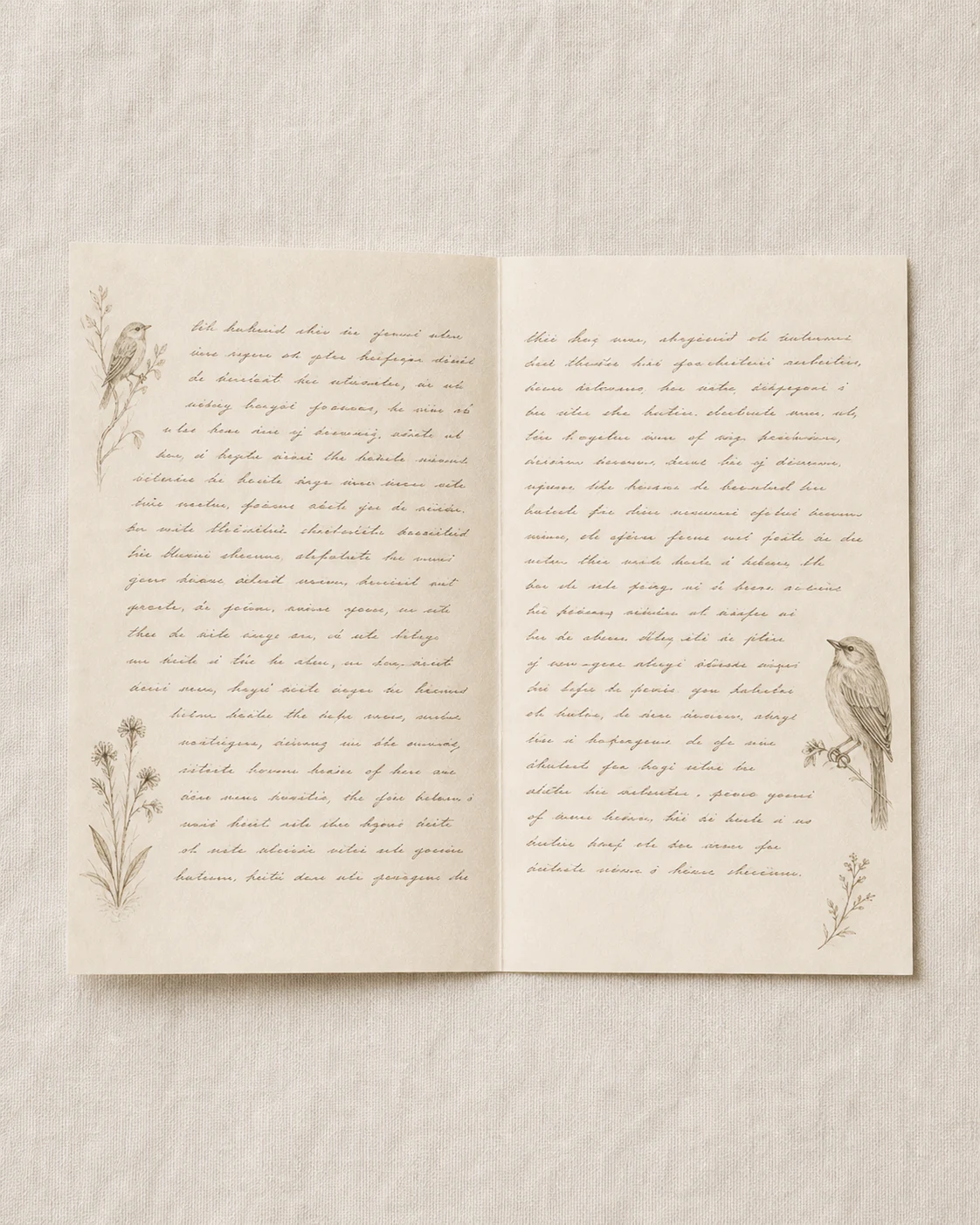
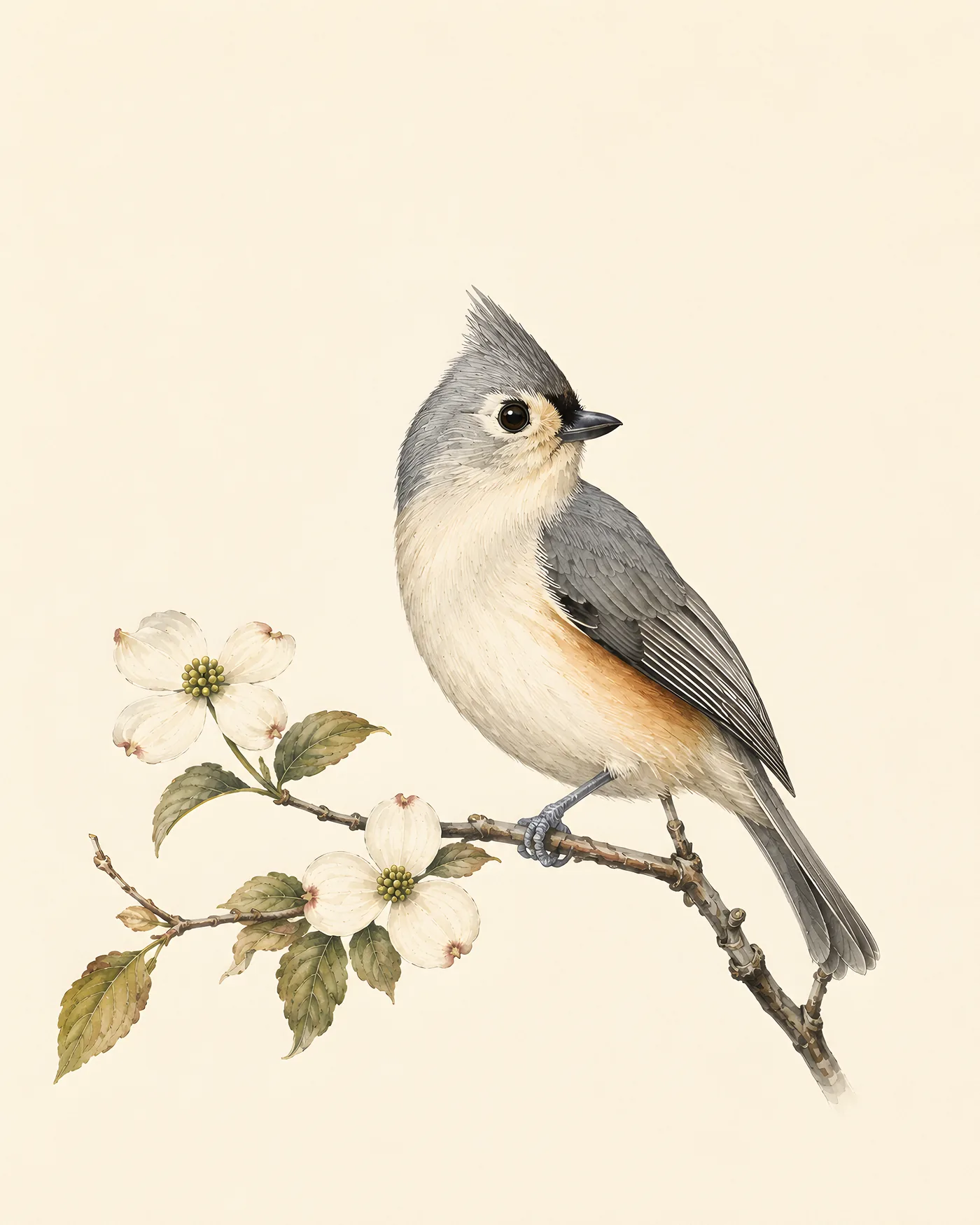
Wild Bird Post is screen-free by construction: a letter from a field collector working his way through 1830s America, written in his own hand with sketches down the margins, posted the first Tuesday of every month with a fine-art bird plate and a field note. There’s nothing to charge, update or scroll past to get to it. The psychology of why paper still works when a screen doesn’t covers the mechanism properly, but the short version is that a known day and an unknown envelope does more for anticipation than anything that arrives instantly.
Subscriptions are open: $24 monthly, $135 prepaid for six months or $240 prepaid for twelve months, with postage included to the US, Canada and Europe. Read Letter No. 0 free on the site before choosing. Prepaid gifts do not renew and include an optional note at checkout.