Think about the last time something good came in the post. Not a parcel you ordered yourself, which is really just an errand you outsourced. Actual post. Your name in a hand or a typeface that meant a person, an envelope worth opening slowly.
For most of us it has been a while. The average mailbox now serves one purpose: moving paper from the postal service to the recycling bin with a brief pause in your hands. And yet ask anyone over fifty what the post used to feel like and you get the same answer. It was the hinge of the morning. You heard the letterbox and you went to look.
The anticipation is the point
Psychologists have a name for this: savouring. Fred Bryant and Joseph Veroff, whose 2007 book Savoring: A New Model of Positive Experience set out much of the modern research on the subject, describe three separate forms of it: looking forward to something good, taking it in while it happens, and looking back on it afterwards. Of the three, anticipation is the one most people underrate.
A 2010 study by Jeroen Nawijn and colleagues, published in Applied Research in Quality of Life, tracked the happiness of nearly a thousand Dutch adults before and after a holiday. People who had a trip coming scored noticeably higher on everyday happiness in the weeks before they left than people who were staying home. Once the holiday was over, that gap closed again. The boost belonged to the anticipation, not the destination.
A letter that arrives once a month on a known day runs the same mechanism at a smaller scale. You know it is coming. You do not know exactly what is in it. Certain arrival, uncertain contents: that is the loop that makes a serial drama work, and it is close to the loop Nawijn’s holidaymakers were running for weeks before anyone packed a bag.
Why the mailbox went quiet
The decline is not a feeling; it is measured every year. By the US Postal Service’s own historical figures, First-Class Mail volume peaked at roughly 103.5 billion pieces in 2000. By 2025 it had fallen to about 42 billion, a drop of close to sixty percent in twenty-five years. Email did the early damage through the 2000s; online bill pay and e-statements did the rest through the 2010s. What is left in most mailboxes now is mostly advertising and official notices, the kind of post nobody stands by the door for.
Paper is slower, and slower is the feature
A screen rewards you for leaving. Every paragraph read on a phone is read against the pull of everything else on the phone. Paper makes no such offer. A 2018 meta-analysis by Pablo Delgado, Cristina Vargas, Rakefet Ackerman and Ladislao Salmerón, published in Educational Research Review, pooled 54 studies and more than 170,000 readers comparing comprehension on paper against comprehension on screens. The advantage for paper was real, if modest, and it grew larger under time pressure and for factual, explanatory text rather than fiction read purely for pleasure. Put plainly: paper’s edge is smallest exactly where a personal letter lives, and largest where retaining information actually matters.
There is also the small matter of keeping. Nobody prints out a lovely email and puts it in a kitchen drawer. Letters get kept, and a pile of kept letters becomes something else entirely: a record, in a way a folder of emails never quite manages to be, of who was thinking of you and when.
The unfair advantage of the mailbox
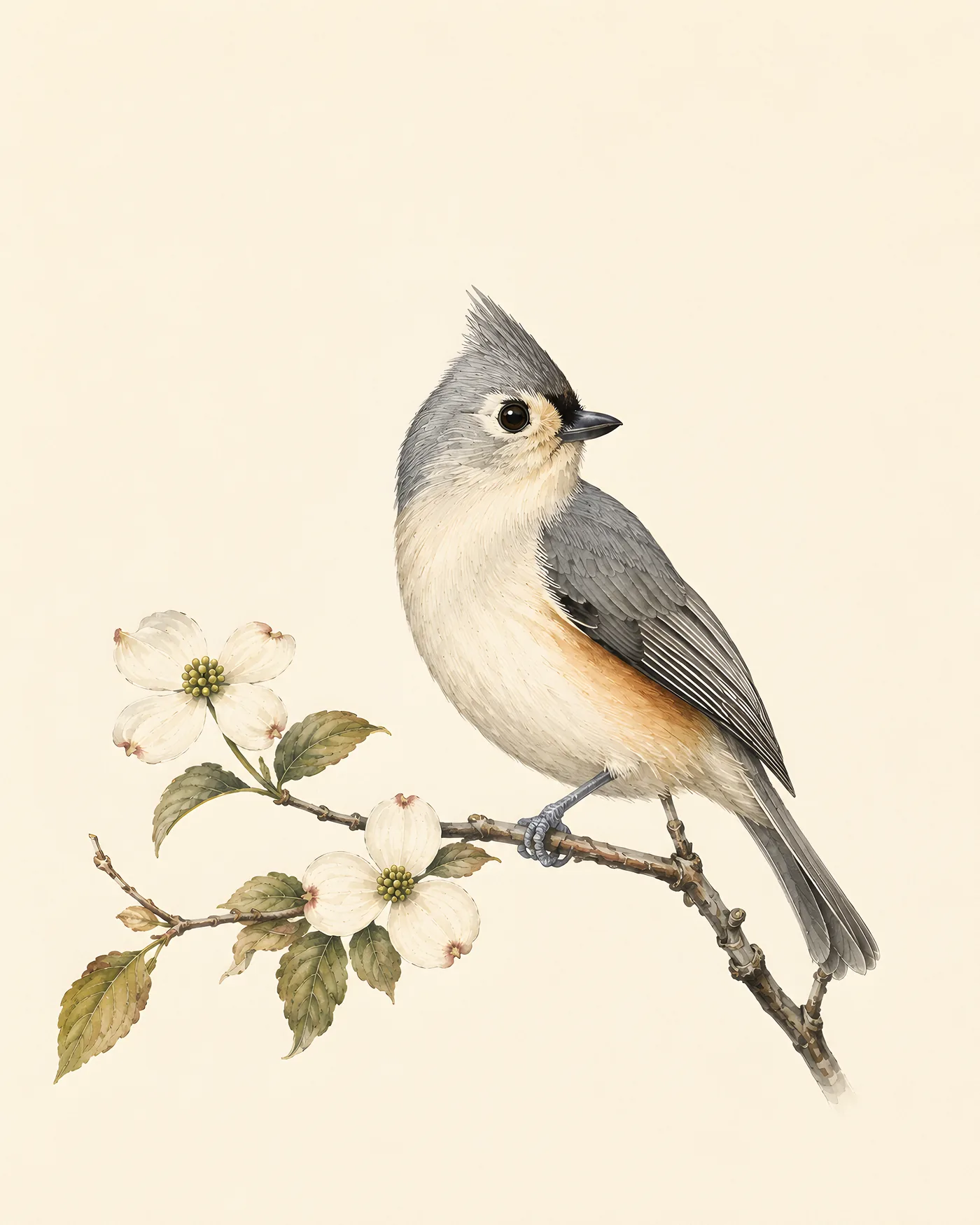
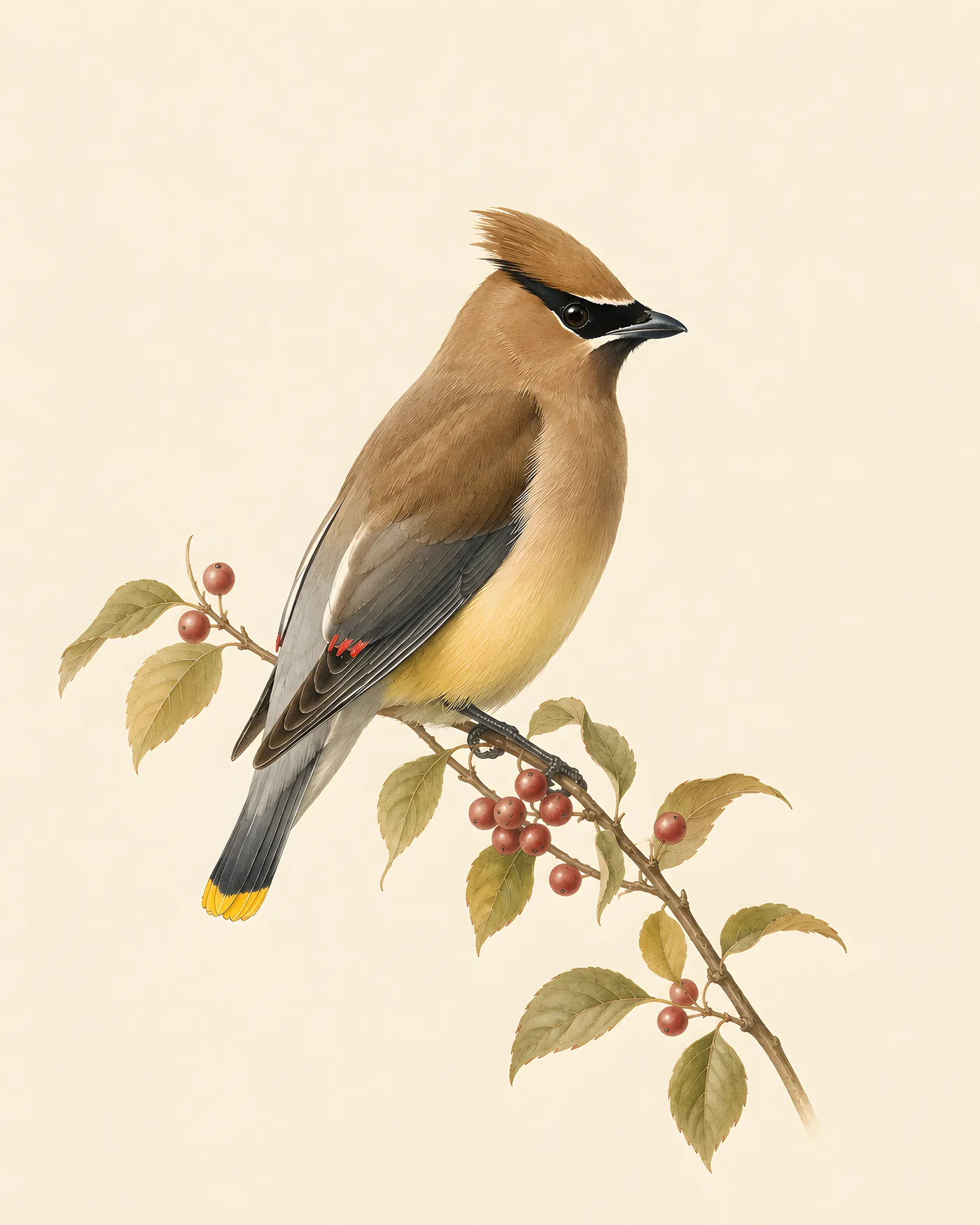
Here is the strange economics of post in 2026: the mailbox is the least crowded channel left. Your email inbox fights for your attention against forty senders a day. Your letterbox, most days, offers a bank statement and a pizza menu. One good envelope a month does not have to shout. It just has to arrive. The pleasure is closer to the unhurried noticing that makes watching birds so satisfying than to anything email offers: not a bigger hit, just an uncrowded one.
What makes an envelope actually feel good
Not every letter produces the effect. A jury summons arrives in an envelope too, and nobody savours that one. Four things seem to separate a letter that feels good from one that merely arrives.
Handwriting, or anything that reads as made for one person rather than generated for a list. A typed form letter and a handwritten note set up different expectations before a single word is read.
A known sender. Anticipation needs a name attached to it. An envelope from nobody in particular, however nicely printed, cannot be looked forward to the way a letter from someone or something specific can.
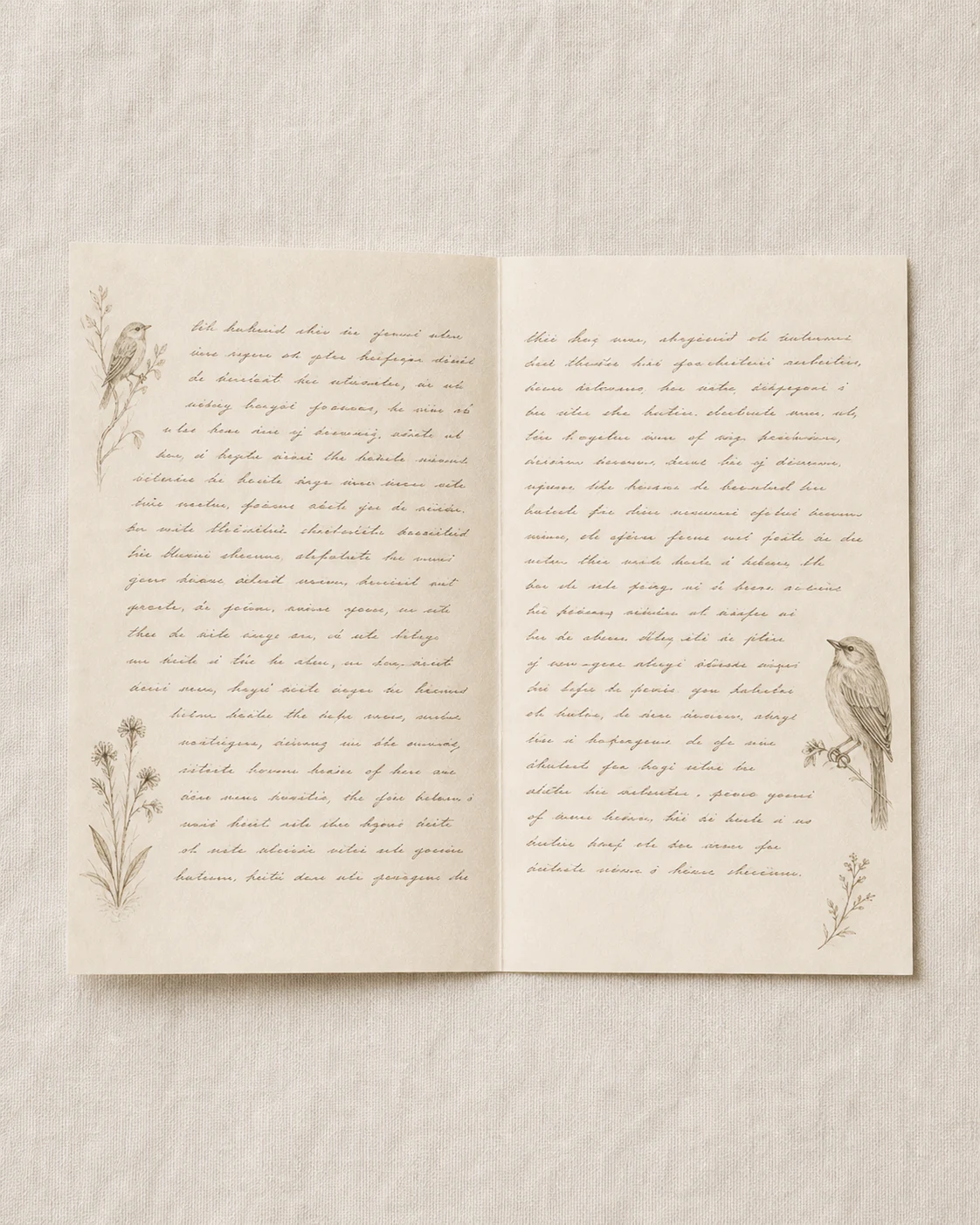
Weight and texture. A single folded sheet in a window envelope reads as a bill before it is even opened. A heavier envelope, on textured stock, signals that effort went into it before the flap is lifted, and that signal changes how the contents get read.
Whether it was expected. This is the one that sounds backwards until you sit with it. A surprise gift is lovely once. A known, recurring arrival, a card that comes every year from the same aunt, a letter that comes the first Tuesday of the month, is lovelier for longer, because it is the only kind of post you can actually look forward to on purpose.
What to do about it
None of this needs a subscription to act on. Three things are worth doing regardless.
Write to somebody first. The fastest way to receive real post is to send it: pick one person you have not written to since they could read, and send an actual letter. Most people who receive one write back.
Join something with a fixed cadence. A club that arrives the same week every month is easier to look forward to than one that turns up whenever the sender gets around to it, for the reason above: anticipation needs a predictable date to attach itself to. The wider field of adult letter subscriptions runs from history to travel to fiction to, in this case, birds; the subject matters less than picking one you will actually keep opening.
Keep the ones worth keeping. Not everything: the bank statement still goes in the recycling. Start a drawer, and put in it only what you would want to read again in five years. A pile with an editorial standard becomes an archive. A pile of everything becomes clutter.
Subscriptions are open: $24 monthly, $135 prepaid for six months or $240 prepaid for twelve months, with postage included to the US, Canada and Europe. Read Letter No. 0 free on the site before choosing. Prepaid gifts do not renew and include an optional note at checkout.