Not what species you’ll see, since that depends entirely on where you live, but how your own noticing should change with the seasons. A seasonal backyard bird calendar isn’t a checklist of who arrives when; it’s a reminder that the same feeder rewards a different kind of attention in March than it does in August, and that watching for the right thing at the right time of year is most of what separates a beginner from someone who’s been doing this a while.
Why the calendar matters more than any single sighting
Sit at the same window all year and the birds barely repeat themselves. Feeding pressure changes, courtship behaviour appears and vanishes, and whole species pass through for two noisy weeks and are gone before you’ve properly noticed them. None of this is obvious from a single sit; it only becomes visible across a year of watching the same spot, which is exactly what a journal and a bit of seasonal expectation are for. Knowing roughly what’s coming doesn’t ruin the surprise. It sharpens it, because you notice the exceptions instead of missing the pattern entirely.
None of the seasons below will match your garden exactly, and that’s fine. Latitude, altitude and even which way your feeder faces all shift the timing by weeks in either direction. Treat this as a rough shape to test against your own notes, not a schedule anything is obliged to follow.
Spring: courtship and construction
Spring is the loudest season at most feeders, and the noise is doing a job: territory and pairing, not just background song. This is the season to watch for courtship behaviour specifically rather than just counting visitors, a bird offering food to a mate, a pair investigating the same nest site together, a male singing from the same exposed perch every morning at almost the same time. It’s also, often, the quietest season at the feeder itself, since natural food is suddenly abundant and a feeder stops being the easiest option. A quiet feeder in spring usually means the birds are doing well elsewhere, not that they’ve gone. Worth watching for too: the first bird of the season to start nest-building nearby, and how long it takes a pair to settle on a site once they’ve started checking a few.
Summer: fledglings and a different kind of mess
By early summer the feeder traffic that returns tends to include young birds, recognisable less by size than by the slightly clumsy, over-begging way they pester an adult who’s clearly losing patience with the routine. This is worth watching on its own terms: it’s one of the few times of year you can watch a bird actively learning a skill in front of you, from landing cleanly to cracking a seed without dropping it twice. Later in summer, adult birds often go quiet and scruffy at once, deep in their annual moult, and feeder visits can drop off again as they keep a lower profile while regrowing feathers. A scruffy, patchy bird at the feeder in late summer is usually healthy, not sick; it’s simply mid-moult, and worth a note rather than worry.
Autumn: the traffic returns, briefly
Autumn brings the biggest swing in most calendars, as migratory birds move through in numbers and even non-migratory feeder regulars start building up reserves for the months ahead. This is the season worth watching a feeder daily rather than occasionally, since a species that passes through your particular garden might only stop for a matter of days on its way somewhere else. It’s also a good season for the one-bird method: pick whichever visitor looks least familiar and give it the full ten minutes before assuming you’ll get another chance. A bird you don’t recognise in October is worth a longer look than the regulars, precisely because it might not be back tomorrow.
Winter: fewer birds, closer looks
Winter thins the visible cast down to whoever stays, which sounds like a loss and mostly isn’t. Fewer species at once means each one gets more of your attention by default, and cold, food-scarce weather makes birds bolder around a reliable feeder than they’ll be at any other time of year. This is the easiest season to watch feeding order and hierarchy clearly, since a limited food source in cold weather makes birds far less patient about waiting their turn. It’s also, for many people, the season a backyard bird habit turns from an occasional pleasure into something closer to daily, simply because there’s less competing for attention outdoors.
Keeping the calendar yourself
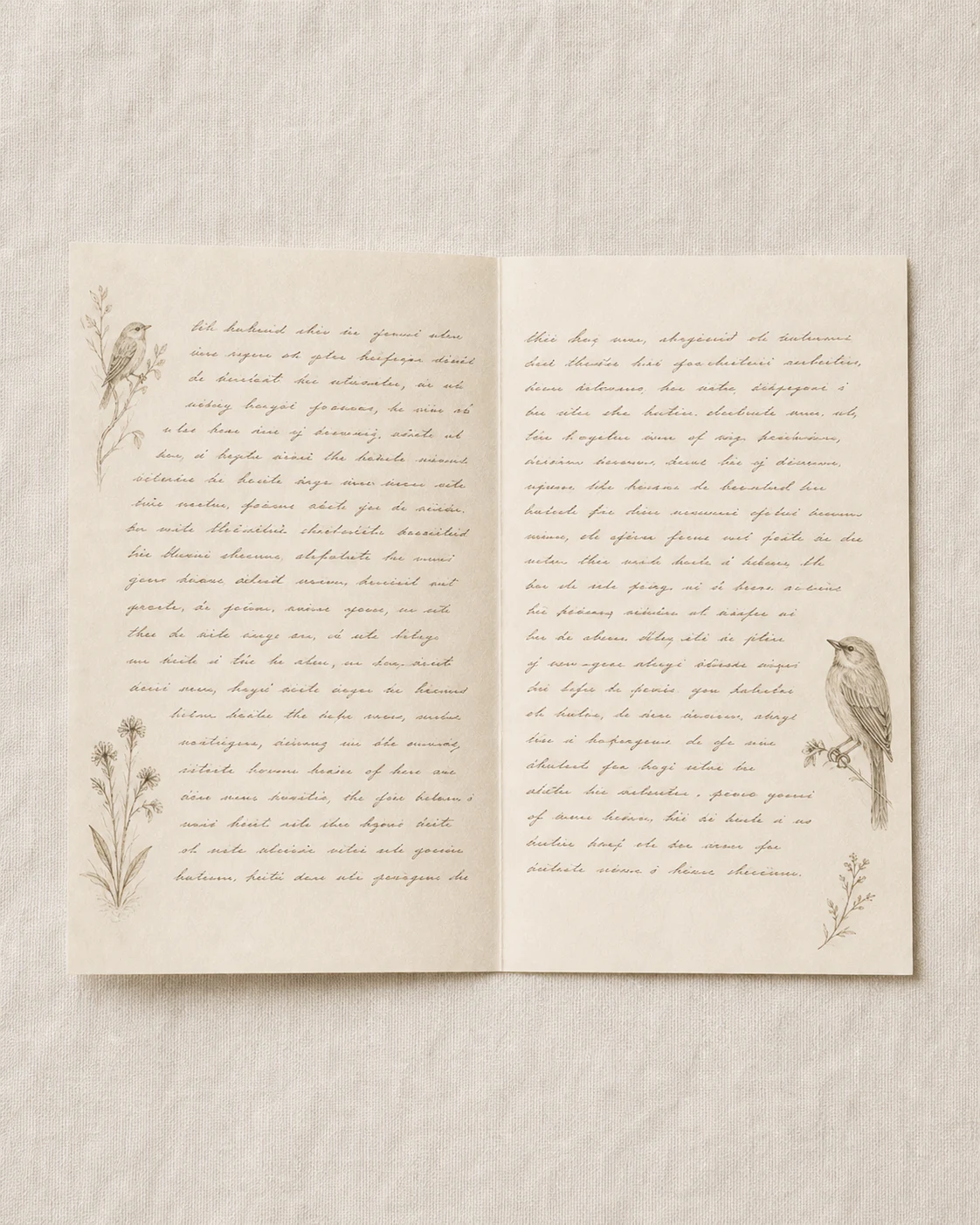
None of the above needs to match your own garden exactly; regional timing varies enormously. What matters is building your own version from what you actually see, season by season, rather than importing someone else’s: a plain notebook and a line a day are enough to turn general seasonal patterns into an accurate record of your own window. A year of honest entries ends up more useful than any general guide, including this one.
That kind of patient, season-by-season attention is the whole idea behind slow birding: not chasing more species, but noticing more about the ones already coming to you, all year round. If someone in your life already keeps this kind of calendar in their head without ever writing it down, a gift subscription is one way to hand them a version of it on paper, one bird and one season at a time. And if a single window sit is where this kind of watching usually starts, birdwatching from a window is worth starting with.