A twelve-print gallery wall built from a subscription is a different project to a normal one, because you’re planning it before you own most of what’s going into it. The short version: choose the wall and the grid shape first, pick one frame you’ll buy twelve times over instead of re-choosing each month, mark out full-size spacing before a single frame goes up, and treat the empty squares as placeholders rather than problems. One plate a month for a year means the wall finishes in stages, not an afternoon, and planning for that from the start is what keeps it looking deliberate throughout, not just once it’s full.
Why this wall is a different problem
Ordinary gallery-wall advice assumes you’ve laid everything out on the floor before you touch the wall. A subscription that mails one plate a month doesn’t give you that option: you’re committing to a grid before you’ve even seen most of the twelve prints going into it. That’s less a disadvantage than a different job, closer to planning a stamp album than decorating in a weekend.
Plan the grid before letter one arrives
Decide the shape now, before the first envelope lands. A strict grid, three across by four down or four across by three down, reads as a deliberate collection from month one. A looser, salon-style cluster can look wonderful once it’s full, but it hides gaps badly while it’s still filling in, because there’s no obvious “next” position for a new print to take. A grid is the more forgiving choice for a set that grows slowly, since every new plate has a pre-decided place waiting for it rather than a fresh decision each month.
Pick one frame and order it every time
The single decision that matters most here is choosing one frame profile at the start and buying that same one for every plate that follows, rather than reshopping each month as new prints arrive. A wall built from twelve slightly different frames, bought over a year as stock and availability changed, reads as clutter no matter how good the individual prints are. The same frame twelve times over reads as a collection, even before the wall is full. How to frame a bird print covers measuring and fitting each one as it comes in; the only extra step here is ordering enough of one frame at the start so month eight isn’t spent hunting down a discontinued moulding.
Spacing that holds up as the set grows
Mark out the full grid on the wall before a single frame goes up, using painter’s tape or paper templates cut to size, so the finished shape is visible from the very first print onward rather than guessed at as you go. Keep the gap between every frame identical: measure the gap between your first two prints once, then repeat that exact gap for every frame that follows, rather than eyeballing each new addition against its neighbour. A wall with one slightly generous gap from month six looks like a mistake by month twelve; the same gap held all the way through reads as intentional even half-finished.
Keep every frame the same orientation
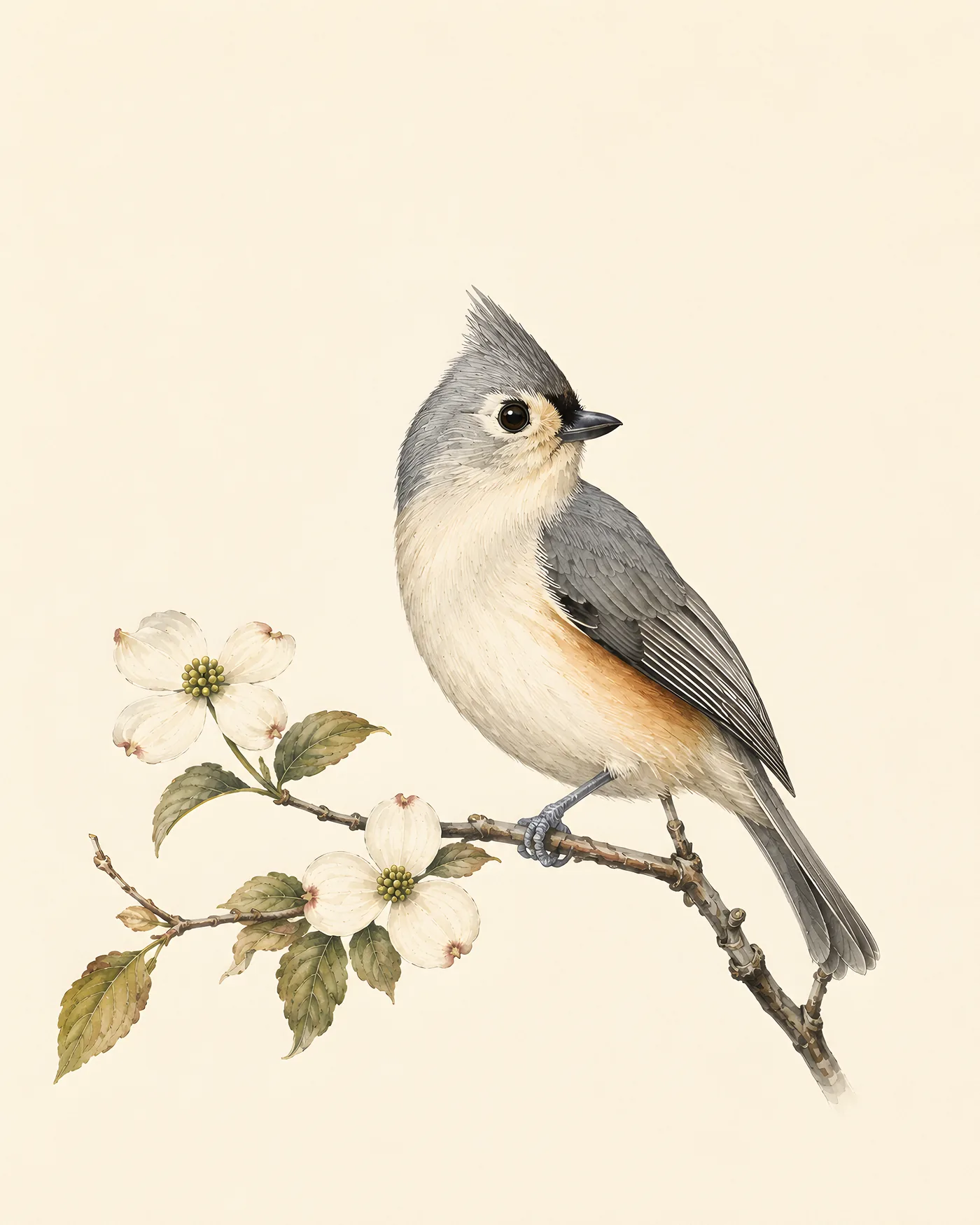
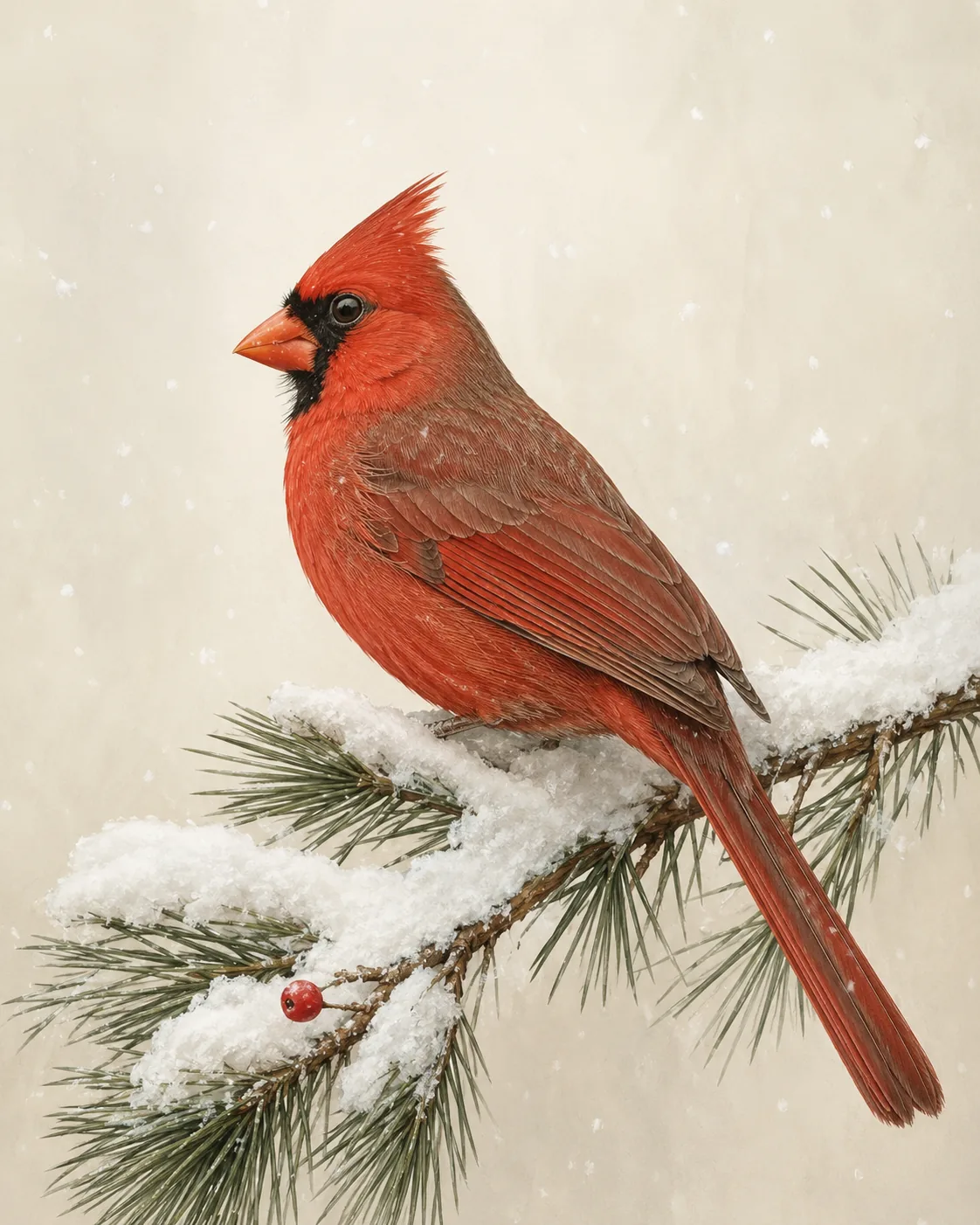
Bird plates like these run portrait, tall rather than wide, because that’s how the bird sits on the branch or the water in the original painting. It sounds obvious until month four arrives and the temptation is to turn one sideways to fill an awkward gap, or to mix in a landscape frame because it was on sale. Don’t. A grid holds together because every unit in it behaves the same way, and one rotated frame breaks that pattern more than an empty square ever does. If the wall genuinely needs a landscape element, solve it with the mat or the spacing, not by turning a bird on its side.
What to do with the wall while you only have three
For the first few months, the grid will have more empty squares than filled ones, and that’s fine as long as the plan was made in advance. An outlined grid with three prints hung in their marked places looks considered; three prints clustered wherever there happened to be room looks unfinished. If an empty square genuinely bothers you more than a gap does, a single print bought elsewhere can hold that spot temporarily. That’s a job for a standalone print seller like Ask About Birds, which sells individual bird prints outright, rather than something to wait on here: that’s the shop for one print, this is the year for twelve of them, arriving in order, as part of the story they belong to.
Where a wall like this actually holds up
The same conditions that fade any print apply doubly to twelve of them hung together: keep the whole wall out of direct sun, away from a working fireplace or radiator, and off a bathroom or kitchen wall where humidity swings hardest. A hallway, a stairwell or a landing all work well precisely because they’re walked past rather than lived in, which suits a wall that’s finished in glances over a year rather than admired all at once from a sofa.
A note if this is a gift
None of the mechanics change if the wall isn’t going up on your own. Same grid, same frame ordered twelve times, same steady gap between prints. What changes is who signs up for the year, since twelve months of plates work just as well as a birthday or holiday gift that lands in someone else’s post over the year as they do hung on your own wall.