“Archival” gets printed on plenty of product pages, but the word only earns its keep if three things are true at once: a paper base that will not turn acidic and eat itself over time, an ink that resists fading and colour shift under normal light, and print quality that has actually been checked against a published standard rather than just claimed. A print can fail on any one of the three and still get sold as archival. Here is what each part is really testing for, and how to tell a genuine one from a claim.
Start with the paper: what “acid-free” is actually testing for
Most everyday paper turns yellow and brittle within a few years because it is made mostly from ground wood pulp, which is high in a compound called lignin. Lignin breaks down as the paper ages and releases acid into the sheet itself, so ordinary paper slowly destroys itself from the inside, whether or not it is ever touched or exposed to light. Archival paper is made without that problem built in, or with it deliberately neutralised.
The formal version of this is ISO 9706, the international standard for the permanence of paper. It sets hard numbers rather than a vibe: an alkaline reserve of at least 2%, to buffer any acid that does form; a kappa number under 5.0, a measure of how much acid-producing lignin is still left in the sheet; and a pH between 7.5 and 10.0. A paper made to those numbers has a real claim to permanence. A paper merely labelled “acid-free,” with no standard named, might, or might not.
Cotton rag or alpha-cellulose: does it matter which
Fine art papers sold as archival usually come from one of two families. Cotton rag paper is made from cotton fibre rather than wood, and cotton starts out naturally low in lignin, so it begins from a more stable base and tends to be the longer-lived of the two. Alpha-cellulose paper is wood pulp that has been chemically refined to strip the lignin back out, leaving a purified cellulose base that is also acid-free and archival-grade, just built by subtraction rather than starting clean.
Both are legitimate choices. Cotton rag is generally the more durable of the two and often carries more texture and weight in the sheet; alpha-cellulose gives sharp, consistent detail at a lower cost and is a perfectly defensible base for a print that still needs to earn the word archival. The paper to watch for is neither of these: it is ordinary wood pulp stock with the lignin left in, sold as “art paper” with no permanence claim made at all.
The ink matters as much as the paper
A print on genuinely archival paper can still fade within a few years if the wrong ink went down on it. The two families are pigment and dye. Dye ink is colourant fully dissolved into a liquid carrier, which gives a wide, vivid range but leaves it prone to fading under UV light and to running if it ever gets damp. Pigment ink is fine solid particles of colourant suspended, rather than dissolved, in the carrier, and those particles sit on the surface rather than soaking into it, which makes them considerably more resistant to both UV fading and water.
The trade body that formalises this for the picture trade is the Fine Art Trade Guild in the UK, whose print standard asks for colours that score 6 or higher on the Blue Wool Scale, the industry’s own benchmark for lightfastness, printed on paper of at least 250gsm with a pH between 7 and 9. A print made to that standard, on the right paper, is doing everything printing can do to hold its colour for the long haul. What happens after that is mostly about where the print ends up living, not what it was printed on.
What still comes down to you: light and humidity
No paper and ink combination is fade-proof against direct sunlight; UV exposure is cumulative, and it does not care how good the print was to start with. Humidity is the paper’s own enemy, since damp air lets a sheet cockle, freckles it with rust-coloured foxing spots, and gives mould somewhere to start. An archival print kept out of direct sun and away from a bathroom, a kitchen or a damp exterior wall will comfortably outlast the same print hung in a sunny window, and no standard can do that part of the job for you.
What this means for a Wild Bird Post plate
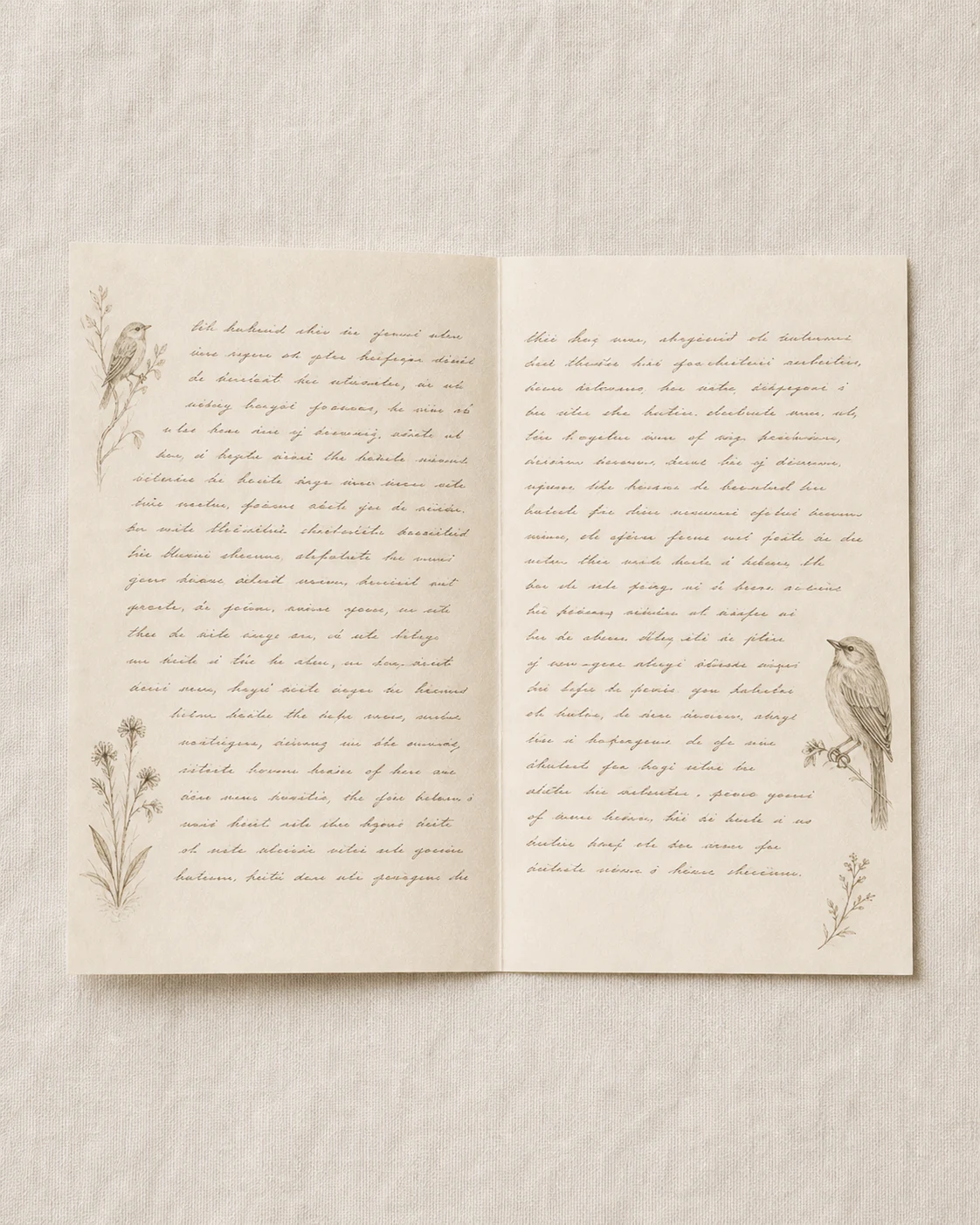
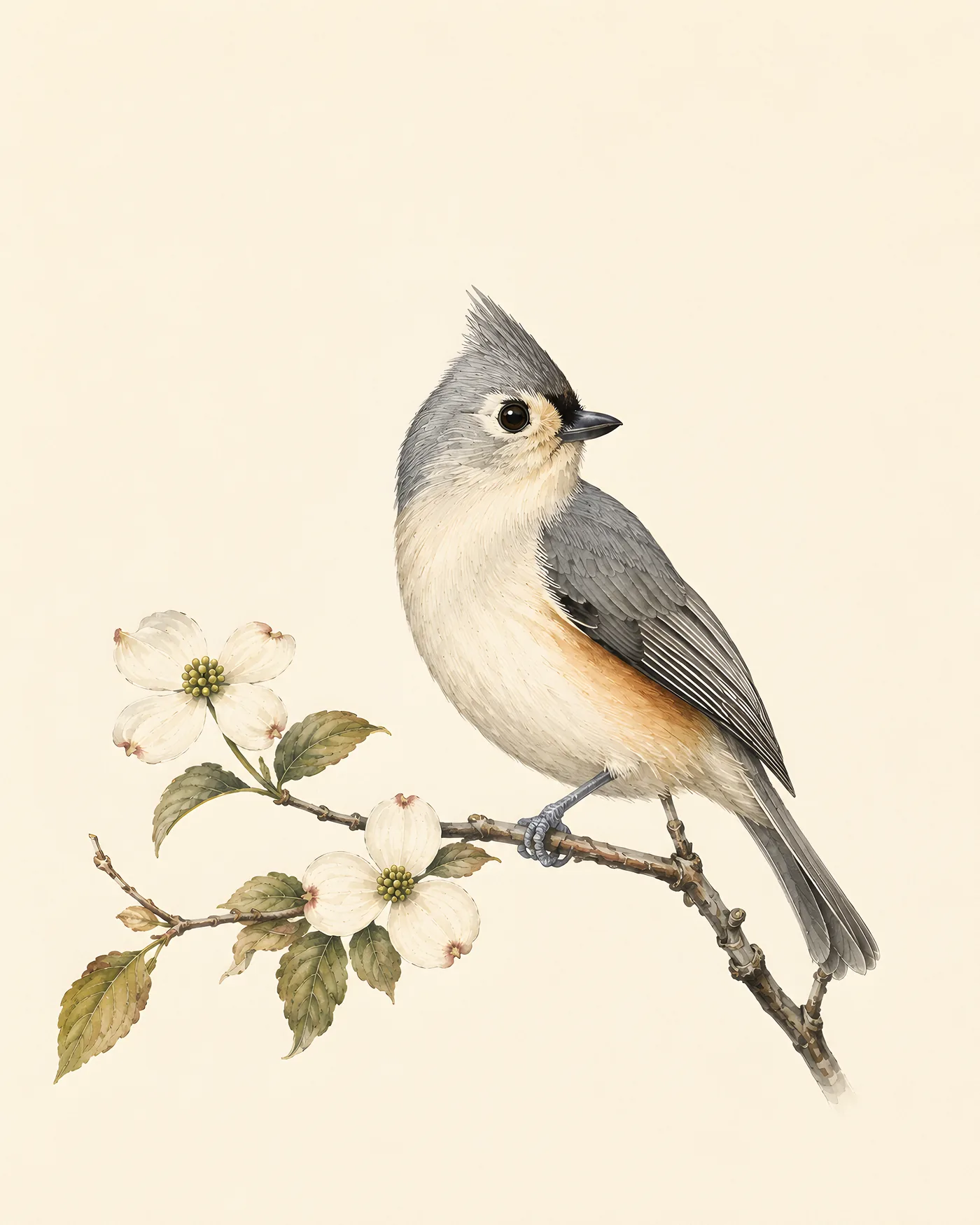
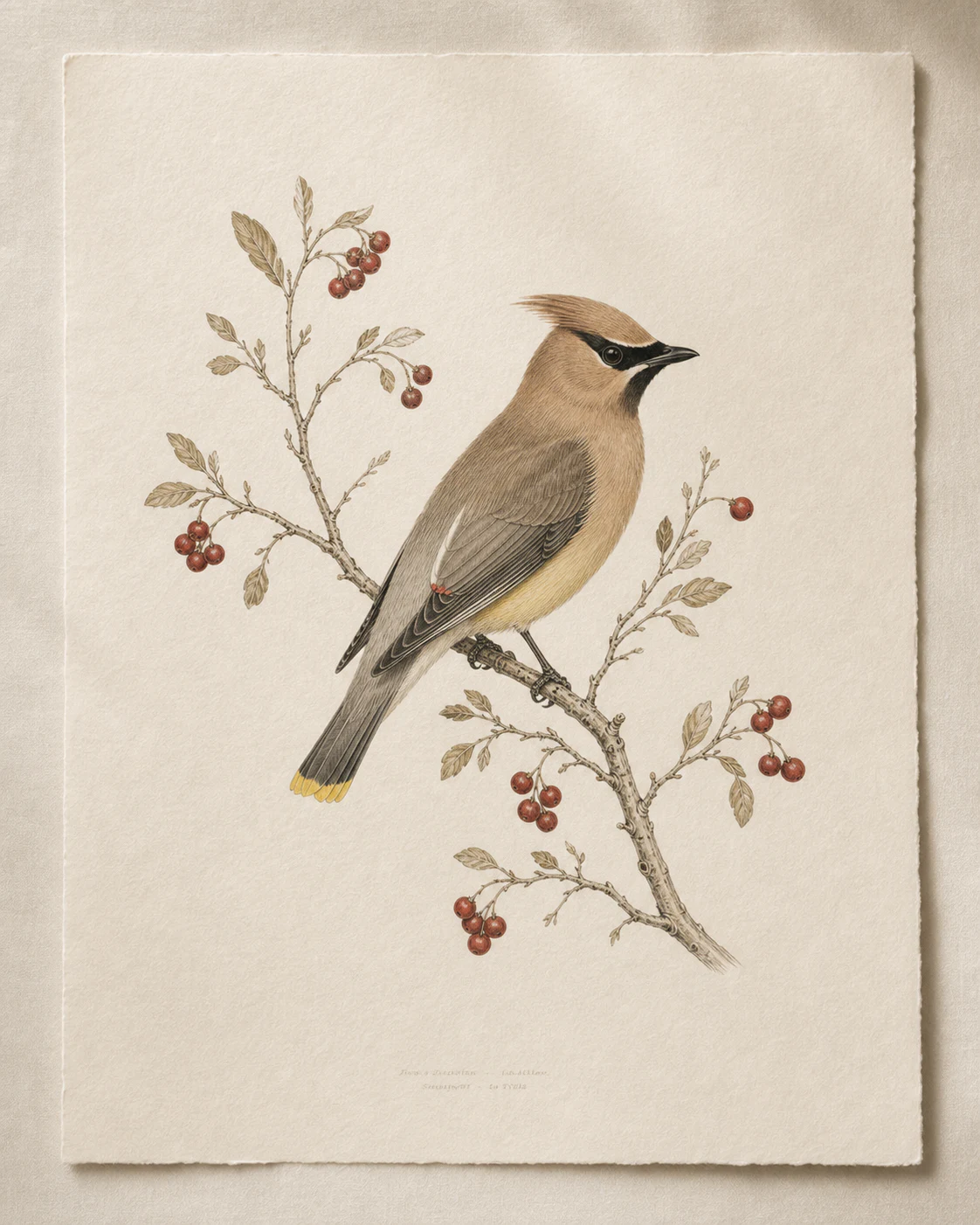
Every plate in the bird art subscription is a fine-art bird print, printed edge to edge on archival paper, no border and no mat added to the print itself, travelling flat in a rigid mailer rather than folded through the post. What actually goes in the envelope alongside it, letter and all, is laid out in full on how it works. It is the same process, letter by letter, that how a monthly letter gets made walks through end to end, from the first longhand draft to the walk to the post office.
None of that replaces reading the standard a print was actually made against. If a shop cannot tell you what paper family a print is on, or whether the ink is pigment or dye, “archival” is doing the work a real answer should be doing instead.